
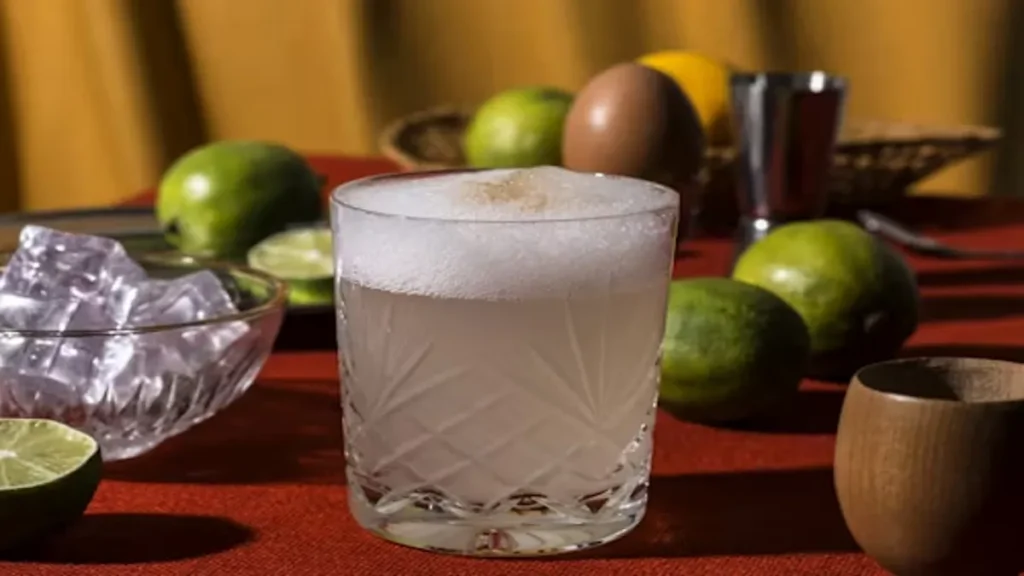
Aquavit is more than a distilled spirit; it is a cultural artifact that has traveled through centuries of Nordic life, adapting to changing tastes while remaining deeply rooted in tradition. For readers seeking a clear understanding, aquavit is a Scandinavian spirit distilled from grain or potatoes and flavored primarily with caraway or dill, a legal and cultural definition that distinguishes it from other clear spirits. Its identity is inseparable from the societies that shaped it—Denmark, Sweden, and Norway where aquavit has long been consumed not merely for pleasure but as part of ritual, celebration, and communal belonging.
The name aquavit comes from the Latin aqua vitae, or “water of life,” a phrase that once described distilled spirits believed to possess medicinal properties. In the Nordic world, this water of life evolved into a drink that accompanied seasonal feasts, religious holidays, weddings, and everyday meals. Whether raised in a small chilled glass during a Danish lunch, sipped slowly alongside a Norwegian Christmas dinner, or shared amid singing at a Swedish midsummer table, aquavit’s functions as a social glue.
Today, aquavit occupies a dual identity. It remains a marker of heritage in Scandinavia while also emerging as a modern ingredient in global gastronomy and craft distillation. Bartenders and chefs have rediscovered its savory complexity, positioning it alongside gin and vodka in contemporary kitchens and bars. This article examines aquavit as history, process, ritual, and revival, revealing how a spirit born in northern Europe continues to find relevance far beyond its place of origin.
The Historical Roots of Aquavit
Aquavit’s documented history begins in the early sixteenth century, when distilled herbal spirits were already circulating through Scandinavia. One of the earliest written references dates to 1531, when a bottle of aqua vitae was sent from Denmark to Norway with claims of curative power. At the time, distilled spirits were often regarded as remedies, believed to strengthen the body and ward off illness.
As distillation knowledge spread across Europe, Scandinavian producers adapted it to local conditions. Grapes were scarce in the north, so distillers relied on grain and later potatoes as fermentable bases. The defining character of aquavit’s emerged through the use of regional botanicals, especially caraway and dill, which imparted flavors familiar to Nordic cuisine.
By the eighteenth century, potatoes had become a dominant ingredient, particularly in Norway, transforming aquavit’s from a medicinal tonic into a widely accessible spirit. Over time, production techniques refined, and aquavit’s role shifted decisively from pharmacy shelf to dining table. Yet the language of healing and vitality embedded in its name endured, reinforcing aquavit’s symbolic association with sustenance and life.
From Neutral Spirit to Botanical Expression
At its foundation, aquavit begins as a neutral distilled alcohol. This base is produced by fermenting grains such as wheat or rye, or potatoes, before distillation. What distinguishes aquavit’s from vodka is not the strength of the spirit but the intentional reintroduction of flavor through botanicals.
Caraway and dill are central, not optional. Their presence defines aqua-vit legally and sensorially. Beyond these, producers layer additional spices and herbs—fennel, coriander, citrus peel, cardamom, or anise—creating distinctive regional and brand expressions. The botanical profile is integrated through redistillation, allowing flavors to bind chemically with the alcohol rather than merely infuse it.
Some aquavits remain clear and unaged, emphasizing freshness and herbal precision. Others, particularly in Norway, are aged in oak barrels, absorbing color and complexity. Aging softens the spirit, rounding sharper botanical edges and introducing notes of vanilla, spice, and wood. This divergence in style illustrates aquavit’s flexibility within a tightly defined framework.
Regional Styles Across Scandinavia
Although united by definition, aqua-vit varies meaningfully across Scandinavian borders, reflecting differences in climate, cuisine, and drinking culture.
| Country | Base Ingredient | Typical Style | Cultural Context |
|---|---|---|---|
| Denmark | Grain | Clear, dill-forward | Lunch tables, smørrebrød |
| Sweden | Grain | Clear, aromatic | Midsummer, crayfish feasts |
| Norway | Potatoes | Aged, oak-influenced | Holidays, formal meals |
In Denmark, aquavit—often called snaps—is typically served ice-cold in small glasses, consumed alongside open-faced sandwiches and pickled fish. The emphasis is on refreshment and sharp herbal clarity. Sweden shares similar practices but integrates aqua-vit deeply into festive calendars, where songs and toasts accompany each pour.
Norway stands apart through its tradition of barrel aging. Norwegian aquavits are frequently matured in oak, sometimes after sea voyages that expose barrels to temperature shifts and motion. These aquavits are more often sipped than shot, aligning them closer to aged spirits in other traditions.
Aquavit and Ritual: The Meaning of Skål
Aquavit’s cultural power lies not only in taste but in ritual. The act of drinking aqua-vit is often formalized through the skål, a traditional toast shared across Scandinavia. A proper skål involves eye contact, a raised glass, and a communal acknowledgment before and after the sip. This practice transforms drinking into an expression of trust, respect, and social equality.
At seasonal gatherings, aqua-vit becomes a rhythmic presence, marking transitions between dishes and moments. Songs—sometimes humorous, sometimes solemn—accompany the ritual, reinforcing memory and continuity. These traditions illustrate how aquavit functions as social choreography, structuring interaction as much as flavor.
Even as modern lifestyles evolve, the ritual remains resilient. Contemporary Scandinavians may reinterpret traditions, but the symbolic weight of aqua-vit as a shared experience endures, connecting generations through repeated gestures and familiar aromas.
Aquavit at the Table: Gastronomy and Pairing
Aquavit’s flavor profile makes it exceptionally suited to food. Its herbal intensity cuts through fat, complements salt, and echoes the flavors of Nordic cuisine. Pickled herring, gravlax, smoked salmon, cured meats, and aged cheeses all benefit from aquavit’s aromatic lift.
Chefs have long understood that aqua-vit is not simply consumed alongside food but interacts with it, cleansing the palate and reinforcing flavor continuity. In modern kitchens, this understanding has expanded. Aqua-vit now appears in sauces, marinades, and desserts, where its botanical complexity adds depth without overwhelming.
| Food Category | Pairing Effect | Reason |
|---|---|---|
| Pickled fish | Balance | Cuts acidity and salt |
| Smoked meats | Enhancement | Echoes herbal notes |
| Rye bread | Harmony | Shares earthy flavors |
| Aged cheese | Contrast | Cleanses richness |
As Nordic cuisine gained international recognition, aqua-vit followed, entering tasting menus and experimental pairings far from its origins.
The Modern Revival of Aquavit
In recent decades, aquavit has experienced renewed interest beyond Scandinavia. Craft distillers in North America and elsewhere have embraced the spirit, producing interpretations that respect tradition while exploring new botanical landscapes. This revival aligns with a broader consumer movement toward spirits with identity, history, and narrative depth.
For bartenders, aquavit offers an alternative to gin and vodka—distinctive yet versatile. Its savory profile supports modern cocktail trends that favor herbal, vegetal, and culinary flavors. In this context, aqua-vit has shed its reputation as a niche regional curiosity, emerging instead as a globally relevant spirit.
The revival is also educational. Tastings, festivals, and culinary events introduce aquavit’s story to new audiences, framing it as both heritage and innovation. This dual positioning has allowed aqua-vit to grow without losing its cultural anchor.
Expert Perspectives
Spirits historians frequently describe aquavit as a bridge between medicine and celebration, reflecting early beliefs in distilled alcohol’s restorative power. Culinary professionals emphasize its unmatched compatibility with food, particularly dishes built around preservation and fermentation. Contemporary distillers note that aquavit’s strict definition paradoxically encourages creativity, challenging producers to innovate within clear boundaries.
Together, these perspectives highlight aquavit’s enduring relevance: a spirit that invites both respect for tradition and exploration of new expressions.
Takeaways
- Aquavit is a Scandinavian spirit defined by caraway or dill flavoring.
- Its name reflects historic beliefs in distilled spirits as life-giving.
- Regional styles vary significantly across Denmark, Sweden, and Norway.
- Rituals like skål give aquavit social and symbolic meaning.
- Aquavit pairs exceptionally well with savory, preserved foods.
- Modern revival has positioned aquavit in global gastronomy.
Conclusion
Aquavit endures because it balances continuity and change. Rooted in centuries-old practices, it carries forward rituals that bind communities while remaining open to reinterpretation. Its journey from medicinal tonic to cultural emblem and global ingredient mirrors broader shifts in how societies understand food, drink, and identity. In every chilled glass or carefully aged sip, aquavit tells a story of place, memory, and shared experience. As long as people continue to gather, toast, and seek meaning in what they consume, aquavit’s water of life will remain relevant—quietly aromatic, deeply symbolic, and unmistakably Nordic.
FAQs
What is aquavit made from?
Aquavit is distilled from grain or potatoes and flavored primarily with caraway or dill.
Is aquavit the same as vodka?
No. Aquavit is flavored and defined by botanicals, while vodka is typically neutral.
How is aquavit traditionally served?
Often neat and chilled in small glasses, especially during meals and celebrations.
Why is Norwegian aquavit aged?
Aging in oak adds complexity and reflects local tradition and climate.
Can aquavit be used in cocktails?
Yes. Modern bartenders use aquavit for its savory, herbal character.
References
- Encyclopaedia Britannica. (n.d.). Aquavit. Encyclopaedia Britannica.
https://www.britannica.com/topic/aquavit - Nikel, D. (n.d.). Aquavit: The Scandinavian spirit. Life in Norway.
https://www.lifeinnorway.net/aquavit/ - Michelin Guide. (2018). Aquavit: The water of life. Michelin Guide.
https://guide.michelin.com/en/article/features/aquavit-drink-guide - Scandinavia Standard. (2020). A guide to Scandinavian aquavit.
https://www.scandinaviastandard.com/a-guide-to-scandinavian-aquavit/ - Difford, S. (n.d.). Akvavit / Aquavit. Difford’s Guide.
https://www.diffordsguide.com/beer-wine-spirits/category/323/akvavit-aquavit - Visit Norway. (n.d.). Aquavit – Norway’s national spirit.
https://www.visitnorway.com/things-to-do/food-and-drink/aquavit/ - Whisky Advocate. (2016). Aquavit: Scandinavia in a glass.
https://whiskyadvocate.com/aquavit-pure-delightful-scandinavia-in-a-glass/ - European Union. (2008). Regulation (EC) No 110/2008 on spirit drinks. Official Journal of the European Union.
https://eur-lex.europa.eu/legal-content/EN/TXT/?uri=CELEX:32008R0110 - Oxford Companion to Spirits and Cocktails. (2021). Aquavit. Oxford University Press.
https://www.oxfordreference.com/display/10.1093/acref/9780190676542.001.0001/acref-9780190676542-e-44