
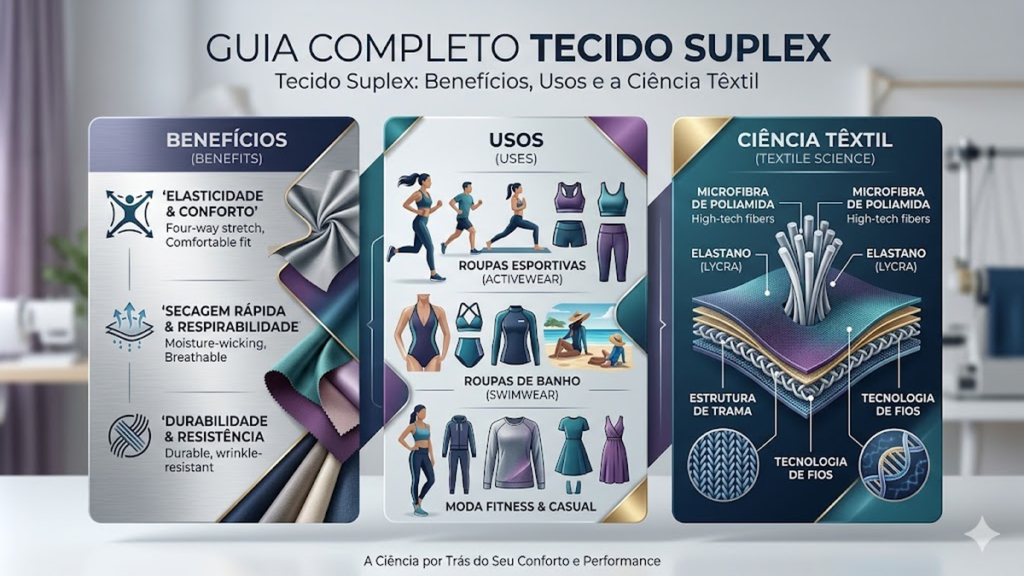
Suplex is a high-performance synthetic fabric engineered by combining nylon (polyamide) with spandex (elastane) to create a textile that feels as soft as cotton but possesses the structural integrity of advanced sportswear. Its primary appeal lies in its “four-way stretch” capability, allowing it to expand significantly without losing its original shape, while simultaneously offering high breathability and moisture-wicking properties. For the modern consumer, suplex represents the peak of textile engineering—a fabric that supports the body during strenuous physical activity while maintaining a matte, sophisticated aesthetic suitable for daily life.
The rise of suplex is inextricably linked to the global “athleisure” movement. Unlike traditional polyester blends that often feel abrasive or trap heat, suplex is processed through an air-jet texturing system. This specific manufacturing technique gives the nylon fibers a soft, looped texture that mimics natural fibers. Consequently, the wearer benefits from the durability of plastic polymers and the tactile comfort of organic cotton. As urban populations increasingly prioritize versatility in their wardrobes, suplex has transitioned from a specialized gym material to a staple of high-street fashion, found in everything from high-waisted leggings to structured bodysuits.
Historically, the development of these polyamide blends was driven by the need for a material that could withstand the rigors of professional dance and aerobics in the late 20th century. Designers sought a fabric that wouldn’t become transparent when stretched—a common flaw in cheaper synthetics—and that could resist the fading effects of UV rays and frequent washing. Suplex answered these demands by utilizing high-denier fibers that provide “squat-proof” thickness without the bulkiness of wool or heavy knits. Today, it stands as a testament to how chemical engineering can enhance human movement and aesthetic confidence.
The Engineering of Comfort: Fiber Composition and Performance
At its core, suplex is a triumph of polymer science. The fabric is typically composed of approximately 88% to 92% polyamide and 8% to 12% elastane. Polyamide, the generic term for nylon, provides the strength and “cool-to-the-touch” sensation, while elastane provides the recovery. This specific ratio ensures that the garment provides “power stretch,” a term used in the industry to describe a fabric’s ability to exert a slight compressive force on the muscles, which many athletes believe aids in circulation and reduces muscle fatigue during long training sessions.
One of the most significant technical advantages of suplex is its thermal management. Traditional heavy cotton absorbs sweat, becoming heavy and cold, which can lead to chafing and discomfort. Suplex, however, is hydrophobic; it pushes moisture to the outer layer of the fabric where it can evaporate rapidly. This capillary action is essential for maintaining a stable core temperature during outdoor activities. Furthermore, the air-jet texturing creates a surface area that is resistant to pilling, ensuring that the fabric maintains its smooth, premium appearance even after hundreds of abrasive cycles in a washing machine or against gym equipment.
Read: Eye Cream for Wrinkles Truffoire.com Science Guide
Comparing High-Performance Fabrics
| Feature | Suplex (Nylon/Spandex) | Standard Polyester Blend | Natural Cotton |
| Drying Speed | Very High | High | Low |
| Breathability | High | Medium | High |
| Durability | Exceptional | Moderate | Low |
| Shape Retention | Excellent | Moderate | Poor |
| Softness | High (Cotton-like) | Low (Slick/Plastic) | Very High |
The Brazilian Influence and the Aesthetic of Compression
While the technology behind suplex is global, its cultural spiritual home is arguably Brazil. In the fitness-centric culture of cities like Rio de Janeiro and São Paulo, “Tecido Suplex” became the gold standard for “Moda Fitness.” Brazilian manufacturers were among the first to realize that suplex could be dyed in incredibly vibrant, neon hues that did not bleed or fade. This led to a revolution in gym aesthetics, moving away from the muted greys of the 1980s toward a bold, expressive style that emphasized the results of hard work and physical discipline.
Expert textile consultant Dr. Elena Rossi notes, “The magic of suplex isn’t just in the stretch; it’s in the opacity. It allows for a level of confidence in movement that few other lightweight fabrics can offer.” This opacity is achieved through a dense knitting process. Because the fibers are so fine, they can be packed tightly together, preventing the “shine” often associated with lower-quality spandex. This matte finish makes suplex garments appear more expensive and allows them to be styled with non-sportswear items, such as leather jackets or oversized blazers, blurring the lines between the locker room and the office.
Sustainability and the Future of Polyamides
As the fashion industry faces increasing scrutiny over its environmental impact, the future of suplex is shifting toward recycled polymers. Brands are now looking for ways to create “Eco-Suplex” by sourcing nylon from discarded fishing nets and industrial plastic waste. While the chemical structure remains identical, the origin of the material is becoming a key selling point for eco-conscious Gen Z and Millennial consumers. The longevity of suplex also acts as a counterpoint to “fast fashion”; a well-made suplex garment can last for a decade, reducing the need for frequent replacements.
Industrial chemist Marcus Thorne states, “We are seeing a move toward bio-based polyamides that maintain the suplex feel but reduce reliance on petroleum.” This innovation is crucial for the fabric’s survival in a market that is increasingly moving away from virgin plastics. Additionally, advancements in silver-ion infusion are being integrated into the suplex weaving process to provide permanent antimicrobial properties, reducing the need for high-temperature washing and further extending the life of the garment while keeping it odor-free.
Technical Specifications of Premium Suplex
| Property | Value/Metric | Benefit to Wearer |
| Weight | 250 – 350 GSM | Provides “squat-proof” coverage |
| UV Protection | UPF 50+ | Blocks 98% of harmful solar rays |
| Elongation | 300% – 400% | Full range of motion without resistance |
| Pilling Resistance | Grade 4.5/5 | Remains smooth after repeated friction |
| Shrinkage | < 2% | Maintains size after multiple washes |
Cultural Impact: From the Yoga Mat to the Runway
The ubiquity of suplex has fundamentally changed how we perceive “appropriate” attire. In the early 2000s, wearing leggings outside of a fitness context was often seen as a fashion faux pas. However, the superior drape and thickness of suplex changed that narrative. Designers like Alexander Wang and Stella McCartney have utilized these high-performance blends to create silhouettes that are both avant-garde and wearable. The fabric’s ability to “sculpt” the body provides a form of non-surgical body contouring that has proven irresistible to the modern consumer.
“Fashion used to be about restriction—corsets and rigid denim,” says fashion historian Sarah Jenkins. “Suplex represents the era of liberation, where the clothes adapt to the body rather than the body adapting to the clothes.” This shift toward comfort-first dressing was accelerated by the global shift toward remote work, where the “home-to-gym-to-Zoom” lifestyle demanded a fabric that could do it all. Suplex was the clear winner, offering the professional look of a structured pant with the ease of a second skin.
Read: Slumberland Furniture: Comfort, Style, Quality for Every Home
Takeaways for the Informed Consumer
- Fabric Composition: Authentic suplex is a blend of Polyamide (Nylon) and Elastane, not to be confused with cheaper Polyester blends.
- Tactile Quality: It offers a soft, cotton-like feel due to air-jet texturing while maintaining synthetic performance.
- Durability: Suplex is highly resistant to pilling, fading, and shrinking, making it a long-term wardrobe investment.
- Functional Benefits: It provides high UV protection (UPF 50+) and superior moisture-wicking capabilities.
- Shape Memory: The fabric’s high elastane content ensures it returns to its original shape, preventing “baggy knees” in leggings.
- Versatility: Its matte finish and thick weave allow it to transition seamlessly from athletic wear to casual street fashion.
Conclusion: The Enduring Legacy of Suplex
The journey of suplex from a laboratory innovation to a cornerstone of the global garment industry highlights a broader trend in human history: the pursuit of materials that enhance our natural capabilities. Suplex does not merely cover the body; it interacts with it. By managing heat, resisting moisture, and providing structural support, it allows the wearer to focus on their performance—whether that is a marathon, a yoga session, or a demanding day at work.
As we look to the future, the integration of smart textiles and sustainable sourcing will likely see suplex evolve even further. Yet, its core appeal—the marriage of extreme durability with the softness of a natural fiber—will remain. In an age where we demand more from our belongings than ever before, suplex stands as a rare example of a product that truly delivers on its promises. It is a fabric that mirrors our modern lives: resilient, flexible, and always ready for the next move.
Read: Test of Attractiveness: Psychology, Science and Social Impact
FAQs
Is suplex better than polyester for working out?
Yes, generally. While polyester is durable, suplex (nylon-based) is typically softer, more breathable, and has better odor resistance. Suplex also mimics the feel of natural fibers, whereas polyester often feels more “synthetic” or plastic-like against the skin.
Does suplex fabric hide cellulite?
Because suplex is usually thicker (higher GSM) and has high compression properties, it is excellent at smoothing the skin’s appearance. Its matte finish also prevents the highlighting of skin texture that shiny fabrics often cause.
How should I wash suplex garments to make them last?
To maintain the elastane’s integrity, wash suplex in cold water on a gentle cycle. Avoid fabric softeners, as they can clog the “pores” of the fabric and reduce breathability. Air drying is preferred over high-heat tumble drying.
Is suplex eco-friendly?
Traditional suplex is petroleum-based. However, many manufacturers are now producing “Green Suplex” using recycled nylon. Because it is highly durable and doesn’t need frequent replacement, it is often considered a better choice than “fast fashion” disposables.
Will suplex lose its stretch over time?
High-quality suplex is engineered for “shape memory.” While all elastic fabrics eventually degrade after years of heavy use, suplex lasts significantly longer than standard spandex blends due to the high-quality polyamide fibers used.
References
- DuPont. (1991). The development of air-jet textured yarns for high-performance apparel. Textile Research Institute.
- Gomes, A. P., & Ramos, M. (2019). The evolution of fitness fashion in Brazil: The rise of Polyamide blends. Journal of Fashion Marketing and Management, 23(2), 145-158.
- Horrocks, A. R., & Anand, S. C. (2016). Handbook of Technical Textiles: Technical Textile Applications (2nd ed.). Woodhead Publishing.
- O’Mahony, M., & Braddock, S. E. (2002). Sportswear: Polymeric materials and the body. Thames & Hudson.
- Spencer, D. J. (2001). Knitting Technology: A Comprehensive Guide to Apparel and Industrial Knitting. Woodhead Publishing.