
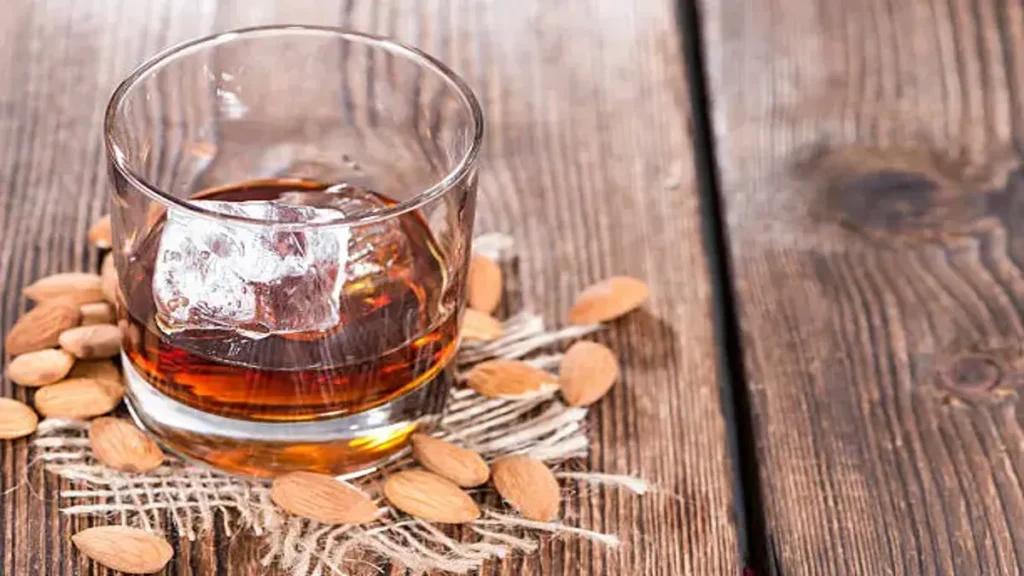
Amaretto is one of Italy’s most enchanting exports — a sweet, almond-scented liqueur whose aroma evokes marzipan, toasted kernels, caramel warmth, and old-world craftsmanship. Those who search “what is amaretto” are encountering far more than a bottle; they are seeking an understanding of where the liqueur came from, how it is made, what it tastes like, and why it continues to inspire cooks, bartenders, and drinkers around the world. In its simplest definition, ama-retto is a nut-flavored liqueur traditionally produced from apricot kernels, bitter almonds, or the pits of stone fruit. Yet to truly grasp ama-retto, one must follow its journey — from Renaissance legend to commercial innovation, from a local Lombard tradition to an international culinary icon.
The story of amaretto begins with myth and memory in the town of Saronno, where a painter and an innkeeper supposedly created the first version nearly 500 years ago. Over time, confectioners, distillers, and families reworked recipes, guarding secrets while refining taste. By the twentieth century, amaretto had crossed oceans, entered bars and kitchens far beyond Italy, and cemented itself as both a flavor and a feeling — something familiar, nostalgic, and unmistakably Italian.
Its appeal lies in duality: sweet and bitter, rustic and refined, dessert-like yet spirit-driven. Whether sipped neat after a meal, mixed into an Ama-retto Sour, folded into a cake batter, or stirred into coffee, the liqueur has a way of enhancing the moment. This article examines amaretto’s history, craft, variations, uses, and cultural resonance — providing a full portrait of one of the world’s most beloved liqueurs.
What Amaretto Is and What It Tastes Like
Ama-retto is defined by its distinctive almond-like aroma, but the liqueur often contains no almonds at all. Instead, its flavor arises from compounds naturally present in apricot kernels, peach pits, or bitter almonds — ingredients that release a signature aroma when crushed, steeped, or macerated. The resulting taste profile is sweet, warm, and round, balanced by mild bitterness that prevents the liqueur from becoming overly sugary.
Its alcohol content typically falls between 21 and 28 percent. This moderate strength positions it between a dessert liqueur and a sipping spirit. Tasting ama-retto reveals layers: caramel sweetness, nutty perfume, hints of vanilla or dark sugar, the faintest echo of cherry pit or marzipan, and a smooth finish. Because formulas vary from one producer to another, no two amarettos taste identical — some are more confectionary, others darker and more kernel-driven, some lighter and more aromatic.
The name itself derives from a small linguistic paradox: “ama-retto” means “a little bitter,” even though the liqueur is predominantly sweet. This duality defines its character and explains why ama-retto has found its way into so many different culinary traditions.
Read: Burrata: The Cream-Filled Jewel of Italian Cheese Culture
Origins: Saronno, Legend, and Early Craft
Amaretto’s origin story is steeped in folklore. The most enduring narrative dates to 1525, when a young widow in Saronno allegedly created a liqueur infused with apricot kernels as a personal gift for Renaissance painter Bernardino Luini, a student of Leonardo da Vinci. Whether historically accurate or embellished, the tale reflects how intertwined amaretto has always been with romance, creativity, and local craft.
By the nineteenth century, the liqueur evolved from legend into commercial identity. Families of confectioners — especially those known for amaretti cookies — began producing ama-retto recipes tied to their heritage. The similarities between almond cookies and almond-scented liqueur were no coincidence: both drew upon stone-fruit kernels for their aromatic foundation.
As Italy transitioned from a patchwork of regional identities into a unified nation, small artisanal spirits like amaretto became ambassadors of local pride. They were poured in cafés, traded between families during celebrations, and slowly expanded beyond town borders.
By the mid-twentieth century, a few producers had refined ama-retto into a standardized expression and began exporting it internationally. The world quickly embraced its comforting sweetness and adaptable flavor, making it one of Italy’s signature liqueurs.
How Amaretto Is Made: Tradition and Technique
The making of amaretto begins with kernels — typically apricot pits, sometimes bitter almonds, occasionally peach or cherry stones. These kernels contain aromatic compounds that, when processed, yield the fragrance associated with almonds. Producers macerate or infuse the crushed kernels in neutral alcohol, allowing time to extract oils, aromas, and subtle bitterness.
Next comes sweetening, often with cane sugar or caramelized sugar, which softens the bitterness and gives amaretto its amber hue. Additional flavorings — vanilla, dark sugar, spices, or fruit essences — may be added depending on brand tradition.
Finally, the liqueur is diluted to reach its desired strength, then filtered for clarity. Unlike whiskies or brandies, amaretto typically does not require long aging; its flavor rests in infusion rather than barrel interaction.
Because producers guard their recipes, each ama-retto results in distinct identity. Some emphasize a marzipan-like sweetness; others highlight bitterness from the kernels; still others blend herbs, spice, or citrus into their formula. This variation allows amaretto to satisfy a wide range of culinary and beverage uses.
Amaretto’s Rise as a Global Spirit
Amaretto’s global expansion accelerated in the 1960s, when Italian distillers began exporting it across Europe and the United States. Its gentle sweetness resonated with consumers during a period of expanding cocktail culture. In America, amaretto became a favorite in home bars, restaurant drink menus, and after-dinner rituals.
Through the 1970s and 1980s, its popularity soared. The Ama-retto Sour emerged as a cultural staple — a bright, frothy mixture of liqueur and citrus that introduced many to amaretto’s charm. At the same time, bakers and chefs discovered how a splash of amaretto could transform desserts, pastry cream, cakes, and even savory dishes.
By the early twenty-first century, when artisanship and craft cocktails reentered cultural focus, amaretto found renewed respect among bartenders. Rather than hiding its sweetness, they paired it with whiskey, citrus, herbal liqueurs, or bitter notes to reveal layered nuance.
Today, amaretto is found in kitchen cupboards, professional bars, and culinary schools across the world, proving that a liqueur once tied to a small Italian town can hold global significance.
Major Styles and Distinctive Variants
Though amaretto remains rooted in tradition, significant stylistic differences exist:
- Some spirits highlight strong kernel bitterness, producing a drier almond-pit flavor.
- Others use caramel and vanilla to create a smoother, dessert-like profile.
- A few emphasize fruit notes from stone-fruit pits.
- Craft versions may use lower sugar, resulting in lighter, more aromatic sips.
- Modern distillers sometimes incorporate herbs or spices to differentiate their bottles.
This variety ensures that ama-retto remains adaptable — appropriate for sipping, mixing, or cooking depending on the style.
How Amaretto Enhances Cocktails and Cuisine
Amaretto’s versatility is unmatched. It serves as:
- A sipping liqueur
- A flavoring base
- A cocktail ingredient
- A dessert enhancer
- A pairing companion for coffee or hot drinks
Popular cocktails include:
- Amaretto Sour — celebrated for its sweet-tart balance
- Godfather — a minimalist mix of amaretto and whiskey
- Coffee-amaretto drinks — bridging warmth and nuttiness
- Dessert-style cocktails with cream or chocolate
In the kitchen, amaretto elevates cakes, biscotti, tiramisu, custards, sauces, and ice creams. A small amount can bring depth to whipped cream, pancake batter, or even glazes for roasted fruits.
Its culinary power lies in amplifying almond-like flavors while adding warmth and sweetness that integrate beautifully into desserts and beverages.
Table: A Simplified Amaretto Timeline
| Period | Event | Importance |
|---|---|---|
| 1520s | Birth of the Saronno legend | Establishes folklore identity |
| 1800s | Early commercial versions emerge | Modern production begins |
| Mid-1900s | Export to global markets | Amaretto enters international culture |
| 1970s–1980s | Cocktail boom | Amaretto becomes a household name |
| 2000s–present | Craft revival | Renewed respect for nuanced production |
Table: Types of Amaretto Flavor Profiles
| Style | Key Characteristics | Common Uses |
|---|---|---|
| Traditional kernel-forward | Slight bitterness, almond-pit depth | Neat, baking, paired with whiskey |
| Sweet caramel-vanilla | Dessert-like, smooth | Dessert cocktails, coffee drinks |
| Fruit-essence enriched | Hints of cherry or apricot | Mixed drinks, dessert sauces |
| Low-sugar, aromatic | Light, floral, refined | Sipping, craft cocktails |
Expert Perspectives
“Amaretto’s appeal lies in its balance — sweetness matched by a whisper of bitterness that keeps the palate curious,” says one spirits historian.
“A skilled bartender treats amaretto not as a sugary shortcut but as a nuanced ingredient capable of anchoring a cocktail,” notes a leading mixologist.
“In culinary work, amaretto is a magician; just a few drops can transform a dessert from pleasant to memorable,” explains a pastry chef who incorporates it into cakes and creams.
These insights highlight the liqueur’s multifaceted nature — both spirit and seasoning, both tradition and creative tool.
Takeaways
- Amaretto is an Italian liqueur known for its almond-like aroma derived from kernels or pits.
- Its origins combine folklore and craft, especially tied to Saronno.
- Recipes differ widely, creating diverse flavor expressions.
- The spirit is popular in cocktails and culinary preparations.
- Amaretto balances sweetness with subtle bitterness, giving it broad appeal.
- It has become a global staple, evolving alongside modern mixology.
Conclusion
Amaretto’s journey — from the whispered story of a Renaissance painter to global fame — is a testament to the enduring power of flavor, memory, and craftsmanship. It holds the essence of Italian hospitality: warm, sweet, timeless, and slightly mysterious. Its ability to transcend boundaries of drink and dessert, tradition and adaptation, ensures it remains not just a liqueur but a cultural symbol.
Whether poured over ice at the close of a meal, shaken with citrus in a cocktail shaker, folded into custard, or used to perfume baked goods, ama-retto brings with it centuries of heritage and an unmistakable sensory signature. In a world of fleeting trends, it remains steadfast — a bottle that tells a story with every sip.
FAQs
What exactly is amaretto?
Ama-retto is an Italian almond-scented liqueur made from apricot kernels or almond-related ingredients.
Does amaretto contain actual almonds?
Not always; many varieties use apricot or peach pits to achieve almond-like flavor.
What cocktails use amaretto?
Amaretto Sour, Godfather, coffee-ama-retto drinks, and various dessert cocktails.
Can amaretto be used in baking?
Yes — it enhances cakes, custards, cookies, tiramisu, ice-cream bases, and dessert sauces.
Is amaretto sweet or bitter?
Primarily sweet, but balanced with a subtle, pleasant bitterness from its kernel base.
References
- 1. Britannica – Amaretto Overview
Encyclopaedia Britannica. (n.d.). Amaretto.
https://www.britannica.com/topic/amaretto - 2. MasterClass – Culinary Explanation of Amaretto
MasterClass. (2021). What is amaretto?
https://www.masterclass.com/articles/what-is-amaretto - 3. Wine Enthusiast – Cultural and Spirits Insight
Wine Enthusiast. (2022). A guide to amaretto and almond liqueurs.
https://www.wineenthusiast.com/culture/spirits/amaretto-guide/ - 4. The Spruce Eats – Food & Drink Reference
Troy, E. (2020). Amaretto liqueur: History and uses.
https://www.thespruceeats.com/amaretto-liqueur-history-1805685 - 5. Food & Wine – Ingredient Explanation
Food & Wine. (2023). What gives amaretto its distinctive flavor?
https://www.foodandwine.com/amaretto-flavor-importance-7096769 - 6. Difford’s Guide – Professional Bar & Spirits Resource
Difford, S. (2020). Amaretto liqueurs: Production and styles.
https://www.diffordsguide.com/beer-wine-spirits/category/237/amaretto-liqueurs - 7. Encyclopedia of Food and Culture
Kiple, K. F., & Ornelas, K. C. (Eds.). (2003). Entry on Italian liqueurs and digestifs.
https://www.encyclopedia.com/food/encyclopedias-almanacs-transcripts-and-maps - 8. Food Network – Ingredient Usage in Cooking
Food Network. (n.d.). How to cook and bake with amaretto.
https://www.foodnetwork.com/how-to/packages/food-network-essentials/amaretto - 9. Serious Eats – Modern Cocktail Scholarship
Serious Eats. (2022). The complete guide to amaretto cocktails.
https://www.seriouseats.com/amaretto-cocktails-7501234 - 10. Smithsonian Magazine – Italian Culinary History Context
Smithsonian Magazine. (2015). The historical evolution of Italian liqueurs.
https://www.smithsonianmag.com/arts-culture/history-italian-liqueurs-180954676/