
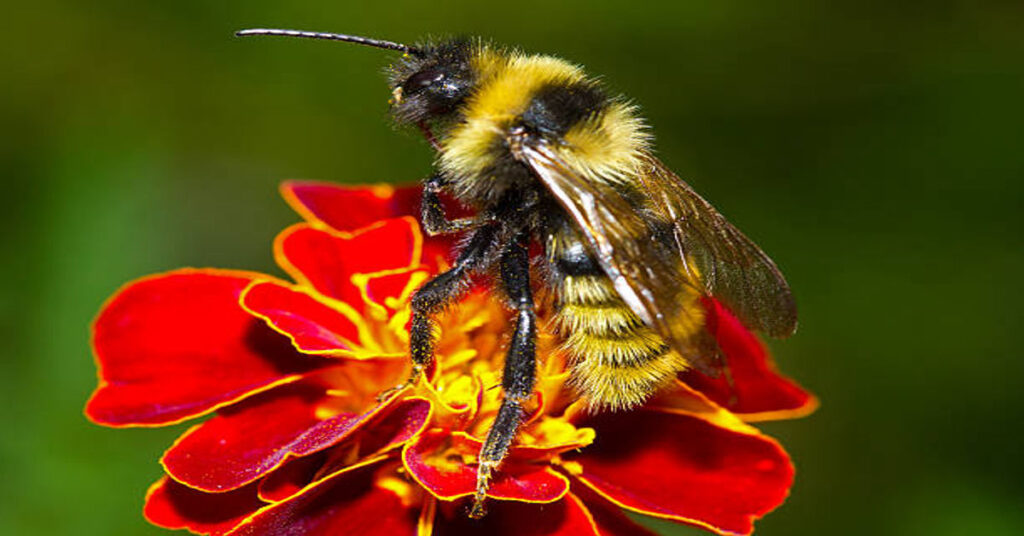
Bees are small creatures with extraordinary power, playing a role in our survival that most people barely recognize in their daily lives. Every fruit, vegetable, flower, and seed we enjoy exists because bees and other pollinators maintain the cycle of reproduction in plant life. But today, bees face increasing challenges—from pesticides and monoculture farming to habitat loss, pollution, climate change, and parasites that threaten colonies worldwide. The idea of a “Bee Buddy” has emerged as a simple, meaningful, and accessible way for everyday people, gardeners, children, and community organizations to support bees, encourage environmental awareness, protect biodiversity, and reverse declining bee populations. Being a Bee Buddy means understanding bee behavior, providing habitat, offering the right food sources, reducing environmental stress, and contributing to a sustainable landscape that supports pollinators without requiring professional beekeeping experience.
A Bee Buddy can be an individual, a classroom, a neighborhood group, or a gardener who decides to help create a healthier world for bees and other pollinating insects. Unlike traditional beekeeping, becoming a Bee Buddy does not require owning hives, handling bees directly, or purchasing specialized equipment. Instead, it is about adopting behaviors and practices that make life easier for bees, whether by planting wildflowers, avoiding harmful chemicals, restoring natural habitats, growing gardens with nectar-rich plants, building bee houses, or contributing to awareness efforts. The role is grounded in respect for ecology and the realization that humans and bees are deeply interconnected in the food system, environmental balance, and planetary well-being.
Why Bees Matter: Understanding Their Role in the Natural World
Bees have been shaping ecosystems for millions of years. Their relationship with plants represents one of nature’s oldest partnerships, and the life cycles of more than 90% of flowering plants rely on pollination. To appreciate what it means to be a Bee Buddy, one must first understand why bees deserve attention and protection. Bees are responsible for pollinating countless agricultural crops, including apples, berries, tomatoes, cucumbers, avocados, melons, almonds, and many others. Without bees, supermarket shelves would look drastically different, and the prices of food would skyrocket due to scarcity and reliance on artificial pollination. More importantly, many wild plants that support birds, animals, and insects also rely on bees, meaning that bee decline threatens biodiversity at a foundational level.
Bees are also indicators of environmental health. When bee numbers rise, ecosystems are generally flourishing. When bee populations experience mass decline, it often signals deeper ecological problems—such as air and soil pollution, imbalanced pesticide use, habitat fragmentation, or water contamination. Thus, supporting bees means supporting the entire natural system in which humans also live. Becoming a Bee Buddy is not a hobby; it is a meaningful contribution to environmental stability.
Major Threats Bees Face Today
To protect bees effectively, a Bee Buddy must understand the pressures that modern bees encounter. The decline in bee populations is not caused by one single factor but a combination of interconnected issues. Below is a helpful breakdown:
Table 1 – Common Threats to Bees
| Threat | Description | Impact |
|---|---|---|
| Habitat Loss | Urban development, agriculture, and destruction of natural spaces | Reduces nesting and foraging resources |
| Pesticides | Chemical sprays used on crops, lawns, and gardens | Can poison bees directly or damage navigation systems |
| Climate Change | Heat waves, droughts, shifting seasons | Interferes with flowering cycles, food supply, and hive survival |
| Monoculture Farming | Large fields with only one crop type | Creates food scarcity and increases disease vulnerability |
| Parasites & Diseases | Varroa mites, viruses, bacterial infections | Weakens colonies and increases mortality |
| Pollution | Air pollutants, contaminated water, soil toxins | Affects bee immune systems and plant quality |
Each of these stresses has measurable consequences for pollination systems. For example, pesticides can disrupt a bee’s nervous system, interfering with its ability to navigate back to the hive, while monoculture farming leaves bees with large areas containing only one type of pollen, reducing nutritional diversity. Habitat loss eliminates wild forage sites, meaning bees must travel farther for food, resulting in reduced colony productivity and shorter life spans. Understanding these threats helps clarify how Bee Buddies can make meaningful change.
What Does It Mean to Be a Bee Buddy?
Being a Bee Buddy is about creating a world in which bees can live safely, feed freely, reproduce successfully, and contribute to their natural ecosystem without interference from modern human pressures. The role requires compassion, awareness, and the willingness to act on behalf of pollinators that cannot advocate for themselves. One does not need a large property or major financial investment to become a Bee Buddy. Many contributions require only intention, small daily changes, and a dedication to supporting life rather than consuming it without thought.
A Bee Buddy works to:
- Provide safe food and shelter for bees
- Protect pollinators from environmental harm
- Improve plant diversity and soil health
- Support pollinator education in communities
- Encourage younger generations to value the environment
From simple container gardens on balconies to full outdoor pollinator habitats, Bee Buddies recognize that every flowering plant matters and every square foot of pollinator-friendly land helps the larger ecosystem.
How Bee Buddies Support Bee Nutrition
Nutrition is central to bee health. Bees need access to high-quality nectar, pollen, and water in order to thrive. Unlike humans, who can survive on many different kinds of food, bees rely heavily on the chemistry of plants—specifically flowers that provide carbohydrates (nectar) and protein (pollen). A Bee Buddy understands that planting a diverse selection of flowers is not just for beauty; it is a lifeline for pollinators.
Table 2 – Nutritional Resources Bees Need
| Resource | Source | Importance |
|---|---|---|
| Nectar | Flowering plants | Provides energy for flight, hive activity, and metabolism |
| Pollen | Flowers with accessible anthers | Supplies protein for brood development |
| Water | Streams, shallow dishes, wetlands | Regulates hive temperature and supports digestion |
| Resin | Tree sap and plant excretions | Used for hive sealing and microbial protection |
Because bees need food throughout the growing season, a Bee Buddy makes sure that the garden or environment contains flowers that bloom in early spring, summer, and fall. This ensures that bees do not face empty gaps in food availability.
Plants Every Bee Buddy Should Consider Growing
Since different plants bloom at different times, the ideal Bee Buddy garden includes species that collectively support bees from the earliest warm days of spring to the final days of fall. Below is a selection of plants grouped by their blooming period:
Spring Bloomers
- Willow
- Crocus
- Dandelion
- Plum and cherry trees
- Lungwort
- Snowdrops
These help bees quickly replenish energy after winter, giving colonies a strong start to the season.
Summer Bloomers
- Lavender
- Sunflowers
- Sage
- Clover
- Borage
- Wild roses
- Hyssop
These plants supply abundant nectar during peak hive activity when colony populations are at their largest.
Autumn Bloomers
- Asters
- Goldenrod
- Sedum
- Autumn crocus
- Helenium
Fall flowers help bees build winter stores, especially in cold climates where hive survival depends on honey reserves.
A Bee Buddy may also add flowering herbs, shrubs, native wildflowers, and perennial plants that self-seed and expand over time. Even a sunny windowsill with potted marigolds or basil can help bees, especially in urban settings where flowering plants are scarce.
Creating a Bee Buddy Habitat at Home
A Bee Buddy habitat can be large or small, depending on available resources. It can be a garden bed, a rooftop planter, the edge of a yard, a courtyard, or a school playground. The important principle is that the habitat must provide three essentials:
- Food sources
- Nesting or shelter spaces
- Protection from environmental harm
Below are practical ways anyone can build a habitat without needing professional expertise.
Plant Native Flowers
Native plants are essential because they have evolved alongside local pollinators. They typically provide the right pollen chemistry, flower shape, and nectar composition that native bees can process efficiently. Non-native plants can be beautiful, but they sometimes supply nectar that bees cannot digest well or flower at times that do not align with bee lifecycles.
Provide Nesting Sites
Not all bees live in hives. In fact, most solitary bee species build nests in soil, wood, stems, or leaf matter. Bee Buddies can support nesting by:
- Leaving patches of bare soil undisturbed
- Providing hollow wood or bamboo nesting tubes
- Allowing fallen leaves to remain in garden spaces
- Leaving dead wood or logs where safe
These practices offer vital habitat for carpenter bees, mason bees, leafcutter bees, and other non-honeybee pollinators.
Avoid Pesticides and Herbicides
Eliminating chemicals is one of the most effective actions a Bee Buddy can take. Many chemicals labeled “bee safe” still impact pollinators indirectly through weakened immune systems or contaminated pollen. Natural pest management, companion planting, beneficial insects, and soil health tend to produce longer-term stable results without harming pollinators.
Bee Buddy Water Stations
Bees need clean, accessible water. However, deep bowls can cause bees to drown, and many natural water sources are contaminated. A Bee Buddy water station is simple to create:
- Fill a shallow dish with clean water
- Add stones, marbles, cork, or floating sticks
- Place it in shade to reduce evaporation
- Refresh water daily in hot weather
This small addition can save thousands of bees in urban areas where natural water sources are rare.
Connecting Bee Buddy Actions to Ecosystem Health
Supporting bees does more than help insects—it strengthens entire ecosystems. Bees affect soil fertility, wildlife food webs, agricultural yields, and the genetic diversity of plants. When a community has thriving bees, gardens bloom more vigorously, birds have seeds and berries to eat, and natural cycles function with greater stability. Bee Buddies often notice that once they improve bee habitats, other beneficial insects return as well, including butterflies, ladybugs, lacewings, and dragonflies.
A Bee Buddy mindset embraces the philosophy that humans are not separate from nature—we are participants in the system and responsible for ensuring that other species have the space, food, and stability needed for survival.
Educational Value of Becoming a Bee Buddy
Being a Bee Buddy is also a powerful educational tool. Schools and families can introduce children to science, biology, environmental stewardship, and food systems in ways that feel meaningful and personal. Children who plant flowers for pollinators—or observe bee nesting behavior in a garden—tend to develop lifelong respect for nature. They learn that small actions matter and that environmental care begins close to home. Classrooms can easily start pollinator gardens in courtyard planters, giving students daily opportunities to observe bees and learn hands-on biology rather than absorbing facts from textbooks alone.
Activities may include:
- Tracking which plants attract which pollinators
- Observing bee foraging behavior
- Recording flowering timelines and seasonal changes
- Learning about ecosystems through real-world examples
- Testing soil health, moisture, and plant growth
The Bee Buddy concept creates an approachable pathway into environmental science that is not limited to lab experiments or specialized field trips.
Bee Buddy and Urban Environments
The assumption that bees only belong in the countryside is outdated. Urban areas, despite their concrete and steel, can become pollinator havens. Rooftop gardens, window box planters, community gardens, alleyway plantings, public landscape improvements, and city-managed flowering zones can all create powerful pollinator corridors that allow bees to move safely through city districts. Urban parks, libraries, and schools can also sponsor pollinator projects, turning unused outdoor areas into thriving patches of life.
Urban Bee Buddies often play a crucial advocacy role by:
- Encouraging municipalities to plant pollinator strips
- Lobbying for pesticide limitations
- Planting flowers in locations with high foot traffic
- Raising awareness of bee decline in community settings
Even a small patch of flowering plants surrounded by concrete can become an oasis for bees in a food desert.
Bee Buddy and Garden Design Principles
Without focusing solely on aesthetics, a Bee Buddy garden uses design strategies that prioritize ecological balance. Such gardens include:
- Layers of flowering vegetation
- Continuous blooming across seasons
- Mixes of shapes, sizes, and flower depths
- Native shrubs and trees
- Host plants for other insects (like butterflies)
Gardeners often notice that Bee Buddy gardens become self-maintaining over time. As soil microbes improve, predator insects become more common, and plant biodiversity rises, the garden forms a stable and resilient ecosystem that requires minimal chemical or artificial support.
How Bee Buddies Help Agriculture
Farmers around the world face challenges from rising costs, soil depletion, and unpredictable weather patterns. Bee Buddies in agricultural contexts—whether professional farmers or small plot growers—can make a major impact. Some farms integrate wildflower strips between crop rows, increasing pollination efficiency and crop yields. Others maintain tree lines or uncut margins where wild bees can nest. These small actions not only help bees but produce measurable returns in crop volume and quality.
Pollination-supported crops often show:
- Larger produce sizes
- Stronger seed germination rates
- More uniform fruit development
- Higher nutritional content
While honeybees often receive the most attention, many crops rely heavily on solitary bees, bumblebees, or native pollinators with specialized plant relationships. Becoming a Bee Buddy on farmland helps support the full diversity of pollinating species required for healthy food systems.
How Bee Buddies Strengthen Local Biodiversity
A world with thriving bees is a world filled with interconnected life. Bees pollinate trees that shelter animals, flowers that feed birds, and plants that hold soil in place against erosion. When bees disappear, landscapes lose color, structure, and life. Bee Buddies recognize that supporting pollinators means supporting the food web from bottom to top. Healthy ecosystems are resilient, producing better air quality, richer soil, pest balance, and stable temperatures.
In many restored habitats where Bee Buddy initiatives have flourished, scientists note increases in:
- Songbird populations
- Butterflies and other pollinators
- Soil microorganism diversity
- Natural predator insects
- Flowering plant density
These are signs of environmental recovery and proof that community-level actions make a difference.
Bee Buddy and Environmental Responsibility
Modern society often separates humans from nature through concrete infrastructure, technology dependence, and global supply chains. Yet the simple act of supporting a bee can reconnect individuals to the understanding that every meal and breath depends on natural cycles. Being a Bee Buddy is therefore not only a gardening activity but an expression of environmental responsibility and respect. It builds mindfulness, strengthens community ties, and encourages sustainable choices.
Responsible Bee Buddies:
- Consider environmental impacts before making purchases
- Support organic or local farming where possible
- Recycle and reduce chemical waste
- Advocate for local wildlife protection policies
- Share knowledge with others
This mindset expands environmental stewardship beyond private garden spaces and into everyday decision-making.
Simple Ways Anyone Can Become a Bee Buddy Today
Not everyone has a yard, gardening skills, or abundant time. Yet Bee Buddy participation is flexible and scalable. Here are real-world actions anyone can take, starting today:
- Replace part of a lawn with wildflowers
- Grow herbs like basil, thyme, and oregano in a window box
- Leave fallen leaves in at least part of the yard
- Provide a bee water station
- Stop using pesticides or herbicides
- Support local beekeepers by purchasing honey
- Talk to neighbors about planting pollinator plants
- Participate in environmental clean-ups
- Help schools plant pollinator gardens
- Identify local wild bees and observe their behavior
These actions show that becoming a Bee Buddy is not about perfection but about consistent positive contribution.
Long-Term Vision of the Bee Buddy Movement
If Bee Buddy principles spread worldwide, the cumulative effect would be enormous. Landscapes would bloom with sustainable plant diversity, leading to healthier food systems, richer ecosystems, stronger soil, and more stable insect and wildlife populations. Communities would become more connected to their environment, and children would grow up understanding the value of nature not as a background element but as an essential partner in life.
A future filled with Bee Buddies is a future where bees no longer face survival crises because humans recognize that protecting pollinators is synonymous with protecting themselves. Every flower planted, every chemical avoided, and every habitat restored becomes a statement that life deserves support rather than exploitation. The Bee Buddy movement is a reminder that humanity’s greatest successes have never come from dominating nature, but from learning how to coexist with it.
FAQs
1. Do I need to own a beehive to become a Bee Buddy?
No. Being a Bee Buddy is not about keeping bees but supporting them in the wild through habitat, protection, and plant diversity.
2. What plants should I grow to help bees in small spaces?
Herbs like lavender, basil, thyme, mint, and marjoram are ideal for balconies and windows, providing nectar in compact spaces.
3. Are honeybees the only species that need help?
No. Most pollinating bees are solitary wild species that also face habitat loss and require nesting spaces and food sources.
4. Can children participate in Bee Buddy activities safely?
Yes. Many activities like planting flowers, observing insect behavior, and creating water stations are safe and educational for children.
5. Is eliminating pesticides really necessary?
Yes. Even small amounts of chemical exposure can damage bee navigation, immunity, and reproduction, so avoiding pesticides is extremely helpful.