
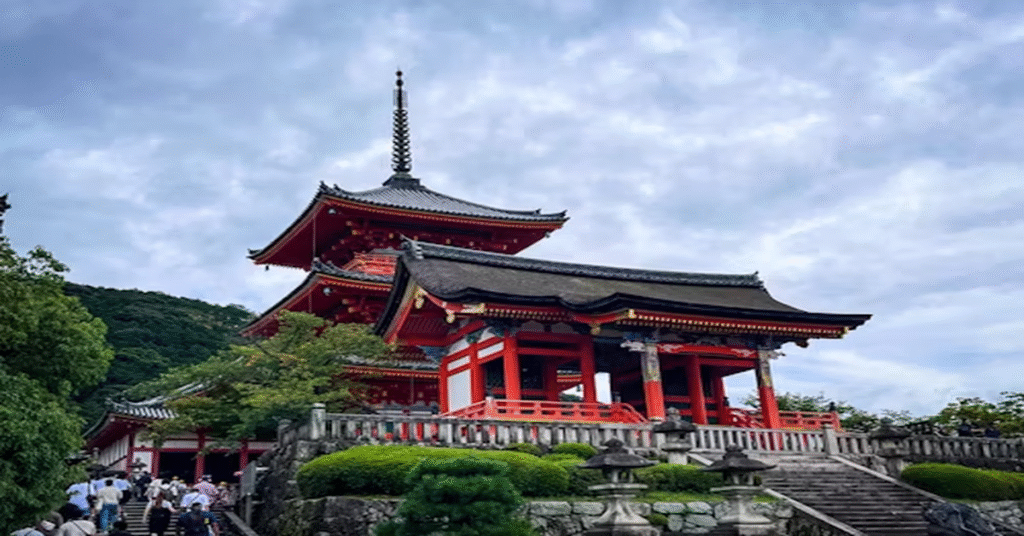
Japan, a country of contrasts, elegantly balances ancient traditions with ultra-modern life. From the serene temples of Kyoto to the bustling streets of Tokyo, from snow-covered mountains to cherry blossom-lined rivers, Japan offers a wide array of experiences year-round. However, planning a trip to Japan requires careful consideration of seasons, weather, festivals, and crowd patterns. Understanding the best time to visit Japan helps travelers optimize their itinerary, enjoy favorable weather, and participate in cultural events. This guide provides an in-depth overview of Japan’s climate, seasonal highlights, tourist attractions, and practical advice to make the journey unforgettable.
Japan’s geography spans from the northern island of Hokkaido to the subtropical Okinawa islands in the south, resulting in diverse climates. Travelers need to account for temperature variations, rainfall patterns, and seasonal phenomena like cherry blossoms and autumn foliage. The choice of travel time significantly affects the overall experience, influencing outdoor activities, sightseeing comfort, and accommodation availability.
Understanding Japan’s Seasons
Japan has four distinct seasons: spring, summer, autumn, and winter. Each season offers unique experiences, landscapes, and cultural activities. Choosing the best time depends on personal preferences, such as outdoor adventure, festivals, photography, or culinary experiences.
| Season | Months | Average Temperature | Key Highlights | Ideal Activities |
|---|---|---|---|---|
| Spring | March – May | 10–20°C (50–68°F) | Cherry blossoms, mild weather | Sightseeing, hanami, hiking |
| Summer | June – August | 20–35°C (68–95°F) | Festivals, beaches, greenery | Hiking, beaches, summer matsuri |
| Autumn | September – November | 15–25°C (59–77°F) | Autumn foliage, harvest season | Scenic drives, temple visits |
| Winter | December – February | -5–10°C (23–50°F) | Snow sports, hot springs | Skiing, snowboarding, onsen |
Each season has its pros and cons. Spring and autumn are considered the most comfortable for travelers, offering mild weather, low rainfall, and stunning natural landscapes. Summer, though vibrant with festivals, can be hot and humid, while winter is ideal for snow lovers and those seeking cultural experiences in quieter tourist destinations.
Spring in Japan: Cherry Blossoms and Mild Weather
Spring, from March to May, is often regarded as the most iconic time to visit Japan, primarily because of the cherry blossom season. Known locally as sakura, these blossoms symbolize beauty and transience, drawing tourists worldwide. The peak bloom varies regionally: in Tokyo and Kyoto, it occurs in late March to early April, while in northern regions like Hokkaido, blossoms appear in late April to early May.
During spring, temperatures are moderate, making sightseeing comfortable. Parks, temples, and riverbanks become gathering spots for hanami (flower viewing) parties, where locals enjoy picnics beneath blooming cherry trees. Spring is also a popular season for hiking in mountainous regions such as Nikko and Kamikochi, where trails are accessible and nature is vibrant.
Festivals in spring include the Takayama Spring Festival in Gifu Prefecture and the Hana Matsuri celebrating Buddha’s birthday. Travelers can combine cultural experiences with scenic walks, photography, and visits to historical sites without the extreme weather challenges of summer or winter.
Summer in Japan: Festivals, Beaches, and Adventure
Summer spans from June to August and is characterized by hot, humid weather and occasional rainfall due to the rainy season (tsuyu). Despite the heat, summer offers vibrant festivals, known as matsuri, and outdoor activities in Japan’s northern and mountainous regions.
The first part of summer, June, is dominated by rainfall, which can make travel slightly inconvenient. However, by July and August, temperatures rise, and many outdoor events and festivals take place. The Gion Matsuri in Kyoto, one of Japan’s largest festivals, occurs in July, showcasing traditional floats, parades, and local crafts. Firework festivals (hanabi taikai) across cities like Tokyo and Osaka attract crowds and create a festive atmosphere.
Summer is also the best season for hiking in Hokkaido, exploring national parks, and visiting Japan’s northern beaches. For families, Okinawa offers a subtropical escape with warm seas, coral reefs, and water sports. Travelers planning to visit Japan in summer should pack light clothing, sunscreen, and prepare for high humidity.
Autumn in Japan: Vibrant Foliage and Mild Climate
Autumn, from September to November, is considered the most comfortable season for sightseeing due to mild temperatures and low rainfall. Japan transforms into a tapestry of colors, with red, orange, and golden leaves decorating temples, gardens, and mountains. This season is particularly attractive to photographers, nature lovers, and travelers seeking tranquility.
Autumn foliage peaks vary across the country. In Tokyo and Kyoto, it is usually mid-November, while in northern regions and mountainous areas, colors appear earlier, around October. Famous locations for autumn viewing include Kyoto’s Kiyomizu-dera Temple, Nikko National Park, and Mount Fuji’s five lakes region.
Cultural festivals continue in autumn, such as the Kishiwada Danjiri Festival in Osaka and harvest celebrations in rural towns. This season also features seasonal foods, including mushrooms, chestnuts, and persimmons, giving travelers a chance to explore Japan’s culinary diversity.
Winter in Japan: Snow Sports and Hot Springs
Winter, from December to February, brings cold temperatures, snow, and unique cultural experiences. Japan is renowned for its winter sports, particularly skiing and snowboarding in Hokkaido, Nagano, and Niigata. Resorts such as Niseko, Hakuba Valley, and Furano attract international visitors seeking high-quality powder snow and modern amenities.
Winter is also the best time for visiting onsen (hot springs). The contrast between cold weather and hot mineral baths provides a quintessential Japanese experience. Snow festivals, like the Sapporo Snow Festival, feature ice sculptures, snow statues, and local food stalls, offering travelers a combination of visual spectacle and cultural immersion.
Additionally, winter allows tourists to explore cities with fewer crowds, providing a more intimate experience at major attractions such as Tokyo’s temples or Kyoto’s historical districts. Travelers should prepare for cold temperatures, layer clothing, and plan indoor activities in case of heavy snow.
Regional Climate Considerations
Japan’s weather varies significantly by region, so the best time to visit depends on your destinations:
| Region | Best Travel Months | Notes |
|---|---|---|
| Hokkaido | June – September | Ideal for hiking, snow in winter |
| Tokyo & Central Honshu | March – May, September – November | Cherry blossoms, autumn foliage |
| Kyoto & Kansai | March – May, October – November | Cultural sites, scenic walks |
| Okinawa | April – June, September – October | Beaches, subtropical climate |
| Northern Honshu | April – June, September – October | Moderate temperatures, nature trails |
Northern Japan experiences long winters and cooler summers, while southern regions remain milder and suitable for year-round travel. Planning according to regional climate ensures better comfort and accessibility.
Festivals and Cultural Events
Timing your visit to coincide with festivals enhances the Japanese experience. Key festivals include:
- Cherry Blossom Festivals (March – April): Nationwide celebrations with hanami picnics and local performances.
- Gion Matsuri (July): Kyoto’s grand parade of traditional floats and cultural exhibitions.
- Autumn Foliage Events (October – November): Gardens and temples lit for evening viewing.
- Sapporo Snow Festival (February): Spectacular ice and snow sculptures in Hokkaido.
- Tanabata Festival (July): Colorful decorations and traditional ceremonies across Japan.
Participating in these events allows travelers to experience Japanese culture, food, music, and rituals firsthand.
Travel Planning Tips
- Book Early: Popular seasons like cherry blossom and autumn foliage attract large crowds. Early booking ensures accommodations and transportation.
- Flexible Itinerary: Account for unexpected weather, such as rain in early summer or snow in winter.
- Pack Seasonally Appropriate Clothing: Layering is key for spring and autumn; lightweight fabrics for summer; insulated wear for winter.
- Local Transportation: Utilize Japan Rail Pass for intercity travel during extended trips.
- Cultural Etiquette: Familiarize yourself with customs, such as temple etiquette, bathing in onsens, and seasonal manners.
Comparison Table: Seasonal Highlights in Japan
| Season | Climate | Festivals | Attractions | Pros | Cons |
|---|---|---|---|---|---|
| Spring | Mild | Cherry Blossom | Temples, parks | Comfortable, scenic | High tourist density |
| Summer | Hot & Humid | Gion Matsuri | Beaches, hiking | Vibrant, active | Rainy season, heat |
| Autumn | Mild | Autumn Foliage | Temples, mountains | Colorful landscapes | Limited cherry blossom |
| Winter | Cold, snowy | Sapporo Snow Festival | Ski resorts, onsen | Snow activities, less crowded | Cold, limited foliage |
Conclusion
Choosing the best time to visit Japan depends on personal preferences, desired activities, and destinations. Spring and autumn are ideal for moderate weather and iconic seasonal beauty. Summer is perfect for festival lovers and outdoor adventures, while winter provides unique snow activities and serene landscapes. Regional differences and cultural events further influence travel plans, making Japan a country where every season offers something remarkable. By understanding climate patterns, festival timings, and local attractions, travelers can plan a trip that balances comfort, cultural immersion, and scenic beauty. Japan remains a versatile destination capable of offering unforgettable experiences year-round, making thoughtful timing essential for maximizing the journey.
Frequently Asked Questions (FAQs)
1. When is the cherry blossom season in Japan?
Typically from late March to early April, depending on the region.
2. Can I visit Japan year-round?
Yes, each season offers unique experiences, though weather and activities vary.
3. Which season is best for skiing in Japan?
Winter (December – February) is ideal for snow sports in Hokkaido and Nagano.
4. Are there fewer tourists in autumn compared to spring?
Yes, autumn has moderate crowds while spring attracts peak visitors for cherry blossoms.
5. Is summer suitable for outdoor activities in Japan?
Yes, but travelers should prepare for heat, humidity, and occasional rain.