
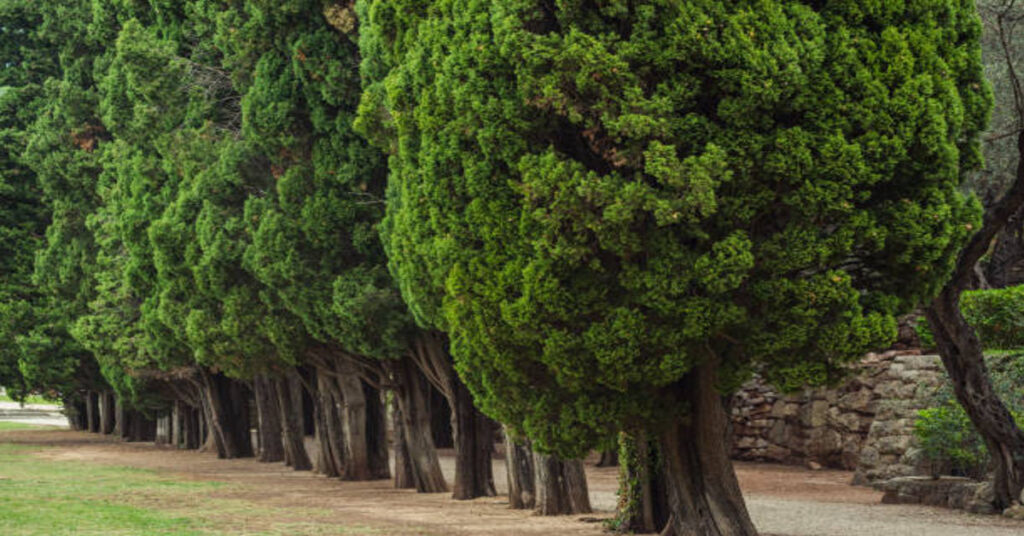
The cypress tree is one of nature’s most graceful and enduring trees, known for its towering height, feathery leaves, and remarkable adaptability. These trees have a long history intertwined with human culture, ecology, and landscaping. Found across many continents, cypress trees can flourish in wetlands, dry uplands, or coastal regions depending on the species. They are cherished not only for their ornamental appeal but also for their ecological and economic benefits.
In this comprehensive article, we will explore the world of cypress trees — their species, growth conditions, uses, care techniques, symbolic meanings, and more. Whether you are a gardener, a botanist, or simply a tree enthusiast, this guide will provide a complete understanding of why the cypress tree is considered one of the most versatile trees on earth.
1. Overview of the Cypress Tree
Cypress trees belong to the family Cupressaceae, a diverse group of coniferous trees and shrubs. They are evergreen and can be identified by their scale-like or needle-shaped leaves, woody cones, and often aromatic wood. The cypress family includes both deciduous and evergreen varieties, meaning some shed their leaves annually while others remain green throughout the year.
Cypress trees have a strong association with endurance and longevity because many species can live for hundreds, even thousands, of years. They are also widely adaptable, capable of surviving in both swampy and arid environments. The bark of the tree is typically reddish-brown and fibrous, often peeling off in long strips, which adds to their distinctive appearance.
2. Botanical Classification
| Category | Details |
|---|---|
| Kingdom | Plantae |
| Order | Pinales |
| Family | Cupressaceae |
| Genus | Cupressus and related genera |
| Common Name | Cypress |
| Type | Coniferous evergreen or deciduous tree |
| Average Height | 40–120 feet (varies by species) |
| Lifespan | Up to 1,000 years or more |
3. Major Types of Cypress Trees
The cypress family is vast, containing many species native to different regions. Below are some of the most well-known and widely cultivated cypress species.
3.1 Bald Cypress (Taxodium distichum)
Native to the southeastern United States, the Bald Cypress is a deciduous conifer famous for growing in swampy areas and along riverbanks. Its roots often form “knees” that rise above the water surface, helping stabilize the tree and assist with oxygen intake. Despite being called “bald,” this tree has lush green needles during spring and summer that turn a rich copper color in autumn before falling off.
3.2 Italian Cypress (Cupressus sempervirens)
The Italian Cypress is a symbol of Mediterranean landscapes. Its tall, narrow shape makes it ideal for formal gardens and avenues. This species thrives in dry climates and poor soils, showing remarkable drought resistance. Because of its elegant columnar form, it’s often used to frame buildings, cemeteries, or pathways.
3.3 Monterey Cypress (Cupressus macrocarpa)
Native to the central coast of California, the Monterey Cypress is one of the most recognizable species due to its gnarled form and dense foliage. It is commonly planted in coastal areas because it can withstand strong winds and salty air. The wood is aromatic, durable, and often used for furniture or ornamental woodworking.
3.4 Arizona Cypress (Cupressus arizonica)
This species is native to the southwestern United States and northern Mexico. It has bluish-gray foliage, a conical shape, and thrives in dry, rocky soils. The Arizona Cypress is often used as a windbreak or ornamental tree and is valued for its drought tolerance.
3.5 Leyland Cypress (Cupressus × leylandii)
The Leyland Cypress is a hybrid between the Monterey Cypress and the Nootka Cypress. It grows rapidly and is widely used for privacy hedges and windbreaks. However, it requires regular trimming due to its fast growth and can reach heights of over 60 feet if left unmanaged.
4. Physical Characteristics of Cypress Trees
Cypress trees exhibit a wide range of physical traits depending on the species, but certain features are common across the family:
- Leaves: The leaves are either needle-like or scale-like and arranged spirally. In evergreen species, they remain green year-round.
- Cones: Cypress trees produce small, woody cones that contain seeds. The cones are often round or oval and can persist on the branches for several years.
- Bark: The bark is fibrous and may peel off in strips. Its reddish hue deepens with age.
- Roots: Some species, such as the Bald Cypress, have unique root structures called “knees,” which emerge above ground in waterlogged areas.
- Form: Depending on the variety, the tree may grow in a pyramidal, columnar, or spreading shape.
5. Ideal Growing Conditions for Cypress Trees
Cypress trees are known for their adaptability, but optimal conditions help them reach their full potential. Here are the ideal growing factors:
| Growth Factor | Ideal Condition |
|---|---|
| Soil Type | Well-draining loam, clay, or sandy soil |
| pH Range | 5.5 – 7.5 |
| Sunlight | Full sun (at least 6 hours daily) |
| Watering | Moderate; some species tolerate wet or dry soils |
| Temperature | Hardy between -15°C and 40°C depending on species |
| Spacing | 10–15 feet apart for hedges, 20–30 feet for individual trees |
Most cypress trees prefer full sunlight but can tolerate partial shade. They can also adapt to various soil types, though good drainage is crucial for most species. In contrast, the Bald Cypress thrives in wet, swampy soils and even standing water, making it unique among conifers.
6. Propagation and Planting Techniques
Cypress trees can be propagated by seeds, cuttings, or grafting. Each method has specific requirements:
6.1 Seed Propagation
Cypress seeds are usually collected from mature cones. After harvesting, the cones are dried until they open and release seeds. The seeds often require stratification — a cold, moist period — to break dormancy. Germination typically occurs within a few weeks under warm, moist conditions.
6.2 Cuttings
Semi-hardwood cuttings taken from young shoots are an effective propagation method for maintaining the characteristics of hybrid species like the Leyland Cypress. The cuttings are dipped in rooting hormone and planted in moist soil until roots develop.
6.3 Grafting
This method is mainly used for ornamental varieties to preserve specific shapes or colors. Grafting involves joining a scion from the desired tree onto a rootstock with compatible characteristics.
When planting, ensure the hole is twice the width of the root ball and deep enough to cover the roots without burying the trunk. Mulching helps retain soil moisture and suppress weeds.
7. Caring for Cypress Trees
Cypress trees are relatively low-maintenance once established. However, good care ensures their long-term health and aesthetic appeal.
Watering
Newly planted trees should be watered regularly until their roots are well-established. Mature cypress trees are drought-tolerant but benefit from occasional deep watering, especially in dry seasons.
Pruning
Pruning helps maintain shape and encourages healthy growth. It’s best done in late winter or early spring before new growth begins. Remove any dead, diseased, or crossing branches.
Fertilization
Cypress trees generally require minimal fertilization. However, applying a balanced slow-release fertilizer in early spring can promote faster growth in young trees.
Mulching
Apply a layer of organic mulch around the base of the tree, but keep it away from direct contact with the trunk to prevent rot.
Pest and Disease Control
Common pests include cypress aphids and spider mites. Fungal diseases such as root rot or needle blight can affect trees grown in poorly drained soils. Regular monitoring and proper sanitation help prevent these issues.
8. Uses and Benefits of Cypress Trees
Cypress trees are valued for both practical and aesthetic reasons. Their utility spans multiple sectors — environmental, commercial, and cultural.
8.1 Environmental Benefits
- Erosion Control: Their strong root systems stabilize soil and prevent erosion, especially along riverbanks and slopes.
- Air Purification: Cypress trees absorb pollutants and release oxygen, improving air quality.
- Habitat Creation: Many bird species and small mammals rely on cypress groves for shelter and nesting sites.
- Carbon Sequestration: Like other trees, cypresses play an essential role in reducing carbon dioxide levels in the atmosphere.
8.2 Timber and Wood Products
Cypress wood is highly prized for its durability, resistance to decay, and aromatic properties. It’s used in:
- Boat building
- Outdoor furniture
- Flooring and paneling
- Fences and decks
- Musical instruments (due to its tonal quality)
The natural oils in cypress wood protect it from termites and rot, making it ideal for both indoor and outdoor use.
8.3 Ornamental and Landscaping Uses
The elegant shape of the Italian Cypress makes it a favorite in formal gardens. Leyland and Arizona cypresses are widely used as windbreaks and privacy screens. Their evergreen nature ensures year-round greenery, while their variety of forms and foliage colors allow designers great flexibility.
8.4 Medicinal and Aromatic Uses
Historically, cypress essential oil has been used in aromatherapy and traditional medicine. It’s believed to have antiseptic, anti-inflammatory, and stress-relieving properties. The wood’s fragrance is also valued in incense and perfume production.
9. Cultural and Symbolic Significance
Cypress trees hold deep symbolic meaning in various cultures around the world. In ancient Greece and Rome, the cypress symbolized mourning and immortality. It was often planted in cemeteries to represent the soul’s eternal life. Similarly, in many Asian cultures, the cypress stands for longevity, strength, and protection.
In art and literature, cypress trees frequently appear as symbols of life after death, resilience, or the unyielding passage of time. Their tall, upright form reaching toward the sky adds to their association with spirituality and transcendence.
10. Common Problems and Solutions
Even though cypress trees are resilient, they can sometimes suffer from environmental stress or disease. Here’s a table summarizing common issues and how to address them:
| Problem | Possible Cause | Solution |
|---|---|---|
| Yellowing leaves | Overwatering or poor drainage | Improve drainage and reduce watering frequency |
| Browning tips | Drought or nutrient deficiency | Water deeply and apply a balanced fertilizer |
| Fungal root rot | Waterlogged soil | Avoid standing water and use raised beds if necessary |
| Cypress aphids | Insect infestation | Apply insecticidal soap or neem oil |
| Dieback | Fungal disease or frost damage | Prune affected branches and apply fungicide if needed |
11. Longevity and Lifespan
Cypress trees are among the longest-living tree species in the world. Some species, such as the Montezuma Cypress (Taxodium mucronatum), can live for more than 1,000 years. The “El Árbol del Tule” in Mexico is a famous Montezuma Cypress estimated to be over 2,000 years old and has one of the largest tree trunks in the world.
Their longevity is attributed to the natural oils in their wood that prevent decay and their remarkable ability to adapt to changing environments.
12. Ecological Importance of Cypress Wetlands
In wetland ecosystems, cypress trees play a crucial role. The Bald Cypress swamps in the southern United States, for example, serve as vital habitats for aquatic species, birds, and reptiles. These wetlands act as natural water filters, reducing pollutants and improving water quality. During floods, the roots of cypress trees help slow down water flow, reducing erosion and preventing sediment loss.
Cypress swamps are also carbon-rich ecosystems that help in mitigating climate change by storing vast amounts of carbon in both vegetation and soil.
13. Growing Cypress Trees in Home Landscapes
Homeowners increasingly choose cypress trees for their beauty and practicality. Here are some guidelines for integrating them into your landscape:
- Hedges and Privacy Screens: Fast-growing species like the Leyland Cypress are ideal for creating natural fences.
- Specimen Trees: Tall and narrow varieties, such as the Italian Cypress, serve as stunning focal points in gardens.
- Wetland Gardens: Bald Cypress can be used near ponds or low-lying areas to absorb excess moisture.
- Windbreaks: Plant rows of Arizona or Monterey Cypress to protect property from strong winds.
When choosing a species, always consider the local climate, soil type, and available space since some cypresses can grow very large over time.
14. Comparison of Major Cypress Species
| Feature | Bald Cypress | Italian Cypress | Arizona Cypress | Leyland Cypress |
|---|---|---|---|---|
| Leaf Type | Deciduous needles | Evergreen scales | Evergreen scales | Evergreen scales |
| Height Range | 50–100 ft | 40–70 ft | 40–60 ft | 50–70 ft |
| Growth Rate | Moderate | Slow | Moderate | Fast |
| Soil Preference | Moist, swampy | Dry, rocky | Well-drained | Fertile, moist |
| Hardiness Zone | 4–9 | 7–11 | 6–9 | 6–10 |
| Common Use | Wetland restoration | Landscaping, ornament | Windbreak | Hedge, privacy screen |
15. Interesting Facts About Cypress Trees
- The Bald Cypress is one of the few conifers that shed leaves annually.
- Ancient Egyptians used cypress wood for making sarcophagi due to its resistance to decay.
- The scent of cypress wood repels insects, especially moths.
- The Italian Cypress has been cultivated for more than 2,000 years.
- In mythology, the cypress was associated with the Greek god of the underworld, Hades, symbolizing eternal rest.
16. The Role of Cypress Trees in Climate Change Mitigation
With increasing global awareness of environmental issues, cypress trees are gaining attention for their contribution to carbon sequestration. Their dense wood and long lifespan make them effective at storing carbon for centuries. Reforestation programs in wetland and semi-arid regions often include cypress species for this reason.
17. Economic Importance
Beyond their ecological and aesthetic value, cypress trees support various industries. The wood is a key material for construction, furniture making, and boat building. Its resistance to decay reduces maintenance costs, making it a preferred choice for outdoor structures. The tree also contributes to the production of essential oils, incense, and even fine art materials like cypress charcoal used in sketching.
In many regions, the cultivation of cypress trees for Christmas trees or ornamental sales is also a profitable business due to their lush appearance and pleasant aroma.
18. Conservation and Sustainable Management
While most cypress species are not endangered, habitat loss, overharvesting, and changing climate conditions threaten some native populations. Sustainable forestry practices, habitat conservation, and reforestation efforts are crucial for maintaining healthy cypress ecosystems.
In particular, wetland cypress forests are vital for flood control and biodiversity. Protecting these areas ensures that the benefits they provide — from water purification to wildlife support — continue for future generations.
Conclusion
The cypress tree stands as a living symbol of endurance, elegance, and ecological importance. From the still waters of southern swamps to the rocky hillsides of the Mediterranean, cypress trees thrive under conditions that few others can withstand. Their presence enriches the landscape, purifies the environment, and provides shelter to countless living beings.
Whether admired for their towering form, valued for their durable wood, or respected for their role in environmental balance, cypress trees remain one of the most remarkable gifts of nature. Their beauty lies not only in their appearance but also in their silent strength and resilience, qualities that continue to inspire humanity across generations.
Frequently Asked Questions (FAQs)
1. How fast do cypress trees grow?
The growth rate varies by species. The Leyland Cypress is one of the fastest-growing, adding up to 3 feet per year, while the Italian Cypress grows more slowly at about 12–24 inches per year.
2. Can cypress trees grow in wet soil?
Yes, especially the Bald Cypress, which thrives in wet, swampy soils and even standing water. Other types prefer well-drained soil.
3. What is cypress wood used for?
Cypress wood is used in furniture, flooring, fences, decks, boats, and decorative items due to its resistance to rot and insects.
4. How long can a cypress tree live?
Many cypress trees live for several centuries. Some, like the Montezuma Cypress, can live for over a thousand years.
5. Are cypress trees good for privacy screens?
Absolutely. Leyland and Arizona Cypress are popular choices for hedges and privacy screens due to their dense foliage and fast growth.