
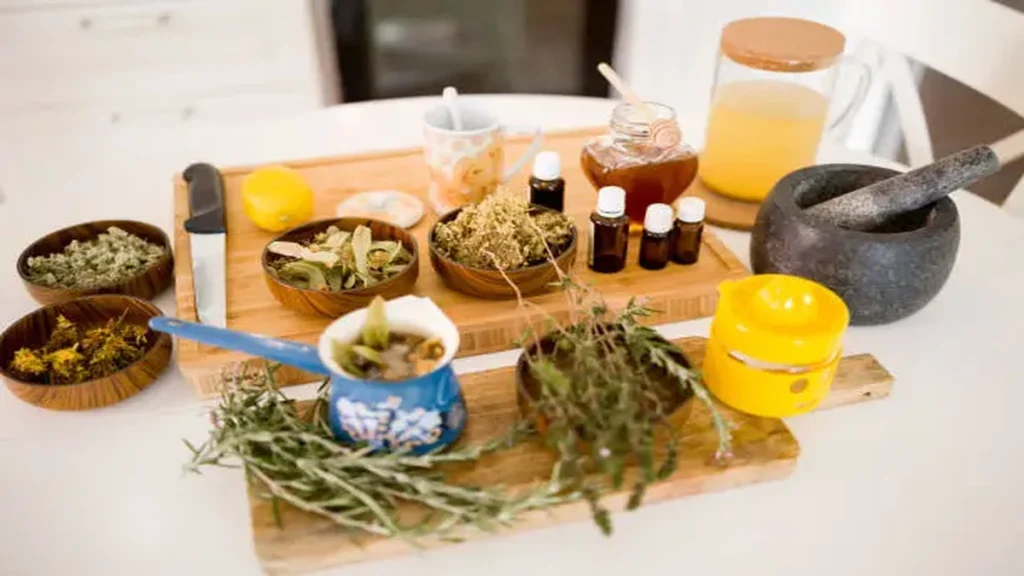
Foenegriek, widely known in English as fenugreek and botanically identified as Trigonella foenum-graecum, is a small, unassuming plant with an outsized global legacy. For readers seeking clarity, foenegriek is an aromatic herb of the legume family whose seeds and leaves are used in cooking, traditional medicine, and agriculture. Its defining qualities are a bittersweet flavor, a maple-like aroma, and a reputation shaped as much by folklore as by emerging science. That reputation has followed it across continents and centuries.
Long before wellness supplements and nutrition labels, foenegriek was embedded in daily life. Archaeological finds place its seeds in Bronze Age settlements, while written records describe its use in ancient Egypt, Greece, and Rome. Over time, it became deeply rooted in South Asian food and medical traditions, where it is still harvested, cooked, and prescribed today. In Indian kitchens, its leaves are eaten as a vegetable; its seeds are roasted, ground, and blended into spice mixes that define entire regional cuisines.
In the modern era, foenegriek sits at a crossroads. It is praised in popular health culture for potential benefits related to blood sugar, cholesterol, and lactation, yet evaluated cautiously by scientists who stress the limits of existing evidence. Its story is not one of miracle cures or culinary trends, but of continuity. Foenegriek endures because it works well enough in many roles: as food, as flavor, as fodder, and as cultural inheritance. Understanding it means tracing the long arc where tradition, taste, and science overlap.
Botanical Roots and Early History
Foenegriek is an annual herb belonging to the Fabaceae family, a group that includes peas, lentils, and beans. The plant grows to a modest height, producing small yellow flowers that develop into slender pods containing hard, angular seeds. These seeds, golden-brown and intensely aromatic, are the plant’s most traded and studied component.
The species name foenum-graecum, meaning “Greek hay,” reflects its early agricultural role. Classical sources describe the plant being grown as livestock feed in the Mediterranean world, valued for both nutrition and soil enrichment. Its ability to fix nitrogen made it useful in early crop rotation systems, improving soil fertility long before synthetic fertilizers existed.
From the Mediterranean basin and Western Asia, foenegriek spread through trade routes linking North Africa, the Middle East, and the Indian subcontinent. Each region adopted it differently. In some places it remained animal fodder; in others it became a staple food or medicinal plant. This flexibility helped ensure its survival. Rather than being tied to a single cuisine or culture, foenegriek adapted to many, quietly embedding itself in everyday practices.
Foenegriek in Global Cuisine
Few herbs demonstrate culinary range as clearly as foenegriek. In South Asia, fresh leaves known as methi are cooked like greens, folded into flatbreads, or simmered with potatoes and legumes. The seeds, often soaked or roasted to reduce bitterness, form the backbone of spice blends used across northern and western India.
In Persian cooking, foenegriek contributes a deep, herbal note to slow-cooked stews, most famously in dishes built around mixed herbs and beans. In North Africa, it appears in breads and porridges, valued for both flavor and sustenance. Mediterranean traditions use it more sparingly, often in cured meats or rustic preparations where its aroma can stand up to garlic and smoke.
Its defining sensory quality comes from sotolon, a compound also found in maple syrup and aged cheeses. This gives foenegriek its sweet, almost caramel-like aroma, even as the taste remains assertively bitter. Used carefully, it adds complexity rather than dominance, which explains its enduring presence in cuisines that prize balance over intensity.
Culinary Uses by Region
| Region | Common Form | Primary Role | Representative Dishes |
|---|---|---|---|
| South Asia | Fresh leaves, seeds | Vegetable and spice | Aloo methi, spice blends |
| Middle East | Seeds | Herbal base | Herb stews |
| North Africa | Seeds | Staple ingredient | Flatbreads, porridges |
| Mediterranean | Seeds | Flavor accent | Cured meats, sauces |
Traditional Medicinal Roles
For much of its history, foenegriek was valued as medicine as much as food. Ancient Egyptian texts reference it in treatments for burns and fevers, and it was reportedly used in embalming practices. In Greco-Roman medicine, it was prescribed for digestive complaints and women’s health.
In South Asian systems of medicine, foenegriek became a standard remedy. Preparations made from seeds or leaves were used to support digestion, manage inflammation, and aid postpartum recovery. One of its most enduring associations is with lactation, where it has been traditionally consumed to support milk production.
These practices were shaped by observation rather than controlled experimentation. Effects were judged by experience, repeated over generations. While such knowledge does not meet modern scientific standards, it reflects a long-standing trust built on consistent, if imperfect, outcomes.
Modern Science and Evidence
Contemporary research has approached foenegriek with cautious interest. Laboratory and small clinical studies have explored its fiber content, particularly galactomannans, which may slow carbohydrate absorption and influence blood sugar levels. Other studies have examined potential effects on cholesterol and appetite regulation.
The results, however, remain mixed. While some trials suggest modest benefits, sample sizes are often small and methodologies vary. Health authorities emphasize that evidence is insufficient to support strong medical claims. Foenegriek is generally regarded as safe when consumed as food, but concentrated supplements carry greater uncertainty.
Dr. Jane Smith, a food botanist, notes that foenegriek exemplifies a broader challenge in herbal research. “We are dealing with a plant that contains dozens of active compounds. Isolating cause and effect is far more complex than testing a single synthetic drug.”
Pharmacologist Mark Liu echoes this caution, emphasizing that traditional use should inspire research, not replace it. “History tells us where to look,” he says, “but science decides what holds up.”
Traditional Claims and Scientific Assessment
| Claimed Benefit | Historical Use | Scientific Consensus |
|---|---|---|
| Lactation support | Widely practiced | Limited, inconsistent evidence |
| Blood sugar control | Common remedy | Modest effects in small studies |
| Cholesterol reduction | Folk medicine | Mixed results |
| Anti-inflammatory use | Traditional application | Insufficient data |
Safety, Side Effects, and Context
For most people, foenegriek consumed as part of normal cooking poses little risk. Its long culinary history supports that conclusion. Problems are more likely to arise from concentrated extracts or supplements. Reported side effects include digestive discomfort and, in rare cases, allergic reactions, particularly among individuals sensitive to legumes.
Foenegriek may also interact with medications that affect blood sugar or blood clotting. These considerations underscore the importance of context. A spice used in cooking is not the same as a capsule marketed for therapeutic effect.
This distinction often blurs in modern wellness culture, where traditional foods are repackaged as remedies. Foenegriek’s story serves as a reminder that dosage, preparation, and purpose matter.
Agriculture, Economy, and Ecology
Beyond kitchens and clinics, foenegriek plays a practical role in agriculture. It is grown commercially in parts of India, North Africa, and southern Europe, supplying both culinary markets and the supplement industry. Its resilience in dry conditions makes it attractive in regions facing water stress.
As a nitrogen-fixing plant, foenegriek improves soil health, benefiting crops planted after it. Farmers have long recognized this value, integrating it into crop rotations. In this sense, the plant contributes quietly to sustainability, not through innovation but through persistence.
Economically, it remains a minor crop compared to global staples, yet its steady demand reflects its versatility. It does not dominate markets, but it endures.
Takeaways
- Foenegriek is an ancient herb with documented use across food, medicine, and agriculture.
- Its culinary value lies in balance, adding depth rather than overpowering flavor.
- Traditional medicinal uses are extensive, but modern evidence remains limited.
- Scientific research suggests potential benefits without definitive conclusions, urging caution.
- Agriculturally, foenegriek supports sustainability through nitrogen fixation and climate resilience.
Conclusion
Foenegriek’s significance cannot be measured by trends or headlines. Its power lies in continuity. Across centuries, it has been planted, harvested, cooked, and consumed with quiet confidence. Cultures that adopted it rarely abandoned it, not because it promised miracles, but because it reliably fulfilled many small roles.
In a world eager for superfoods and shortcuts, foenegriek offers a different lesson. It reminds us that value can be cumulative, built over generations of use rather than proven in a single study. As science continues to explore its properties, the herb remains what it has always been: a bridge between nourishment and belief, between flavor and function. Its story is not finished, but it is already complete enough to earn respect.
FAQs
What is foenegriek?
Foenegriek is a legume plant whose seeds and leaves are used as food and in traditional remedies across many cultures.
Is foenegriek the same as fenugreek?
Yes. Foenegriek is a regional name for fenugreek, referring to the same plant species.
What does foenegriek taste like?
It has a bitter, nutty taste with a distinctive sweet aroma similar to maple syrup.
Is foenegriek medically proven to treat diseases?
Current evidence suggests possible benefits, but no strong clinical proof supports its use as a medical treatment.
Can foenegriek be eaten daily?
When used in normal culinary amounts, it is generally considered safe for regular consumption.