Grabba leaf tobacco is not healthier than cigars or cigarettes. Though often marketed as a “natural” or “additive-free” alternative, Grabba still contains the same harmful chemicals found in all tobacco products, including nicotine, tar, and naturally occurring toxins. Its unfiltered, leaf-wrapped structure can, in some cases, lead to even higher exposure to these substances. With that said, the broader question—Why isn’t Grabba safer?—requires deeper examination. This article explores how Grabba is made, how people use it, how it compares chemically and behaviorally with cigars and cigarettes, and what public-health research says about leaf tobacco, smokeless tobacco, and unfiltered smoking practices.
Beyond the chemistry, the conversation reflects larger themes: how marketing manipulates perceptions of risk, how “natural” labels can mislead, and how users often underestimate the health consequences of alternative tobacco formats. The sections that follow offer a full picture, combining scientific evidence, regulatory context, and cultural understanding to help readers evaluate Grabba’s health profile accurately.
Understanding What Grabba Leaf Is
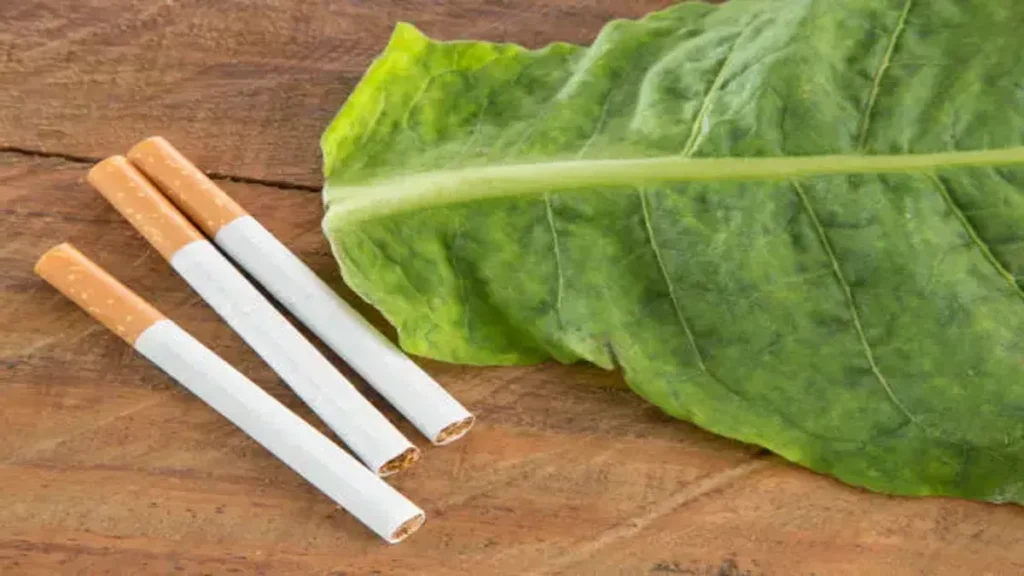
Grabba leaf is a dark, fire-cured tobacco leaf commonly used as a roll-your-own wrap or blunt wrapper. Some users also chew or dip it, though this varies culturally. The product is often advertised as “all natural” or “additive-free,” creating the impression of a cleaner or safer tobacco experience. Yet, even without additives, the tobacco leaf contains harmful chemicals. The manufacturer itself includes nicotine warnings, underscoring the product’s addictive nature.
The thicker and darker curing of Grabba leaf means that it carries more nicotine and tar potential per gram of tobacco than many lighter cigarette blends. When used as a smoking wrap, it is typically unfiltered, leaving users directly exposed to combustion products. When used orally, it mirrors certain smokeless tobacco patterns—allowing chemicals, nicotine and carcinogens to enter the bloodstream through the gums and inner cheeks.
Chemical Realities Behind “Natural” Tobacco
One of the most common misconceptions about Grabba is that its lack of additives makes it safer. However, the harmful chemicals intrinsic to the tobacco plant—including nicotine, heavy metals, nitrosamines, and tar precursors—exist long before any additives are applied. This means that whether the leaf is used as a wrap, smoked alone, or chewed, exposure to these chemicals is unavoidable.
Cigarettes may introduce processing chemicals, but they also include filters that remove certain particulates—filters that Grabba does not provide. Cigars, though unfiltered like Grabba, differ in composition and density but still produce equivalent toxin exposure. The central reality: the absence of additives does not remove the naturally occurring toxins found in every tobacco plant. This alone prevents Grabba from being meaningfully safer than other tobacco products.
Comparing Grabba With Cigars and Cigarettes
To understand how Grabba compares with cigars and cigarettes in structure, behavior and risk, consider this overview:
| Category | Grabba Leaf | Cigars | Cigarettes |
|---|---|---|---|
| Filtration | Typically none | None | Filtered |
| Chemical Source | Natural tobacco plant (same chemicals as all tobacco) | Tobacco leaf | Tobacco blends with filters |
| Usage | Roll-your-own wrap; sometimes chewed | Smoked, usually whole-leaf | Smoked with consistent dosing |
| Key Risks | High tar exposure; nicotine addiction; unfiltered smoke or oral absorption | Tar, nicotine, smoke inhalation | Nicotine addiction; cancer; heart disease |
While cigarettes receive the most scrutiny due to widespread use, cigars and Grabba leaf share unfiltered exposure patterns that may heighten risk per inhalation or per session. Grabba’s use in blunt-rolling often leads to deeper inhalation and longer burn duration, increasing exposure compared with filtered cigarette smoke.
Health Risks: What the Scientific Evidence Shows
Even though public conversation sometimes portrays leaf-wrap tobacco as less harmful, the science remains unequivocal: any form of tobacco—smoked or smokeless—carries significant, well-documented risks. Smokeless formats such as chewing tobacco contribute to cancers of the mouth, throat and pancreas, and increase risks of heart disease and stroke. Grabba, when chewed, mimics these risk patterns. When smoked, its unfiltered nature increases tar and particulate exposure.
Studies on chewing tobacco demonstrate that users may absorb nicotine at levels equal to or greater than cigarette smokers because the tobacco remains in contact with mucous membranes for extended periods. Since Grabba leaf can be used orally, it inherits this risk vector. Meanwhile, when smoked as a blunt wrap, the large mass of the leaf can deliver more smoke and higher toxin exposure than a typical cigarette.
Thus Grabba occupies a hybrid space—linked to both smokeless and smoked tobacco harms—and neither category supports the belief that it is safer.
Cultural Patterns and Misperceptions
Grabba use is deeply tied to cultural and social contexts, particularly in communities where rolling leaf tobacco and hemp or cannabis blends is common. The association with “raw,” “organic,” or “traditional” presentation fuels a belief that the product is somehow cleaner or less dangerous. In settings where pre-rolled cigarettes are stigmatized or taxed heavily, leaf-style tobacco appears more natural and less industrial.
However, this cultural framing obscures the underlying risks. Tobacco’s harm does not come from additives alone but from its fundamental chemical composition. When Grabba is used in social gatherings—passed around, rolled fresh, or combined with other substances—the perceived naturalness of the leaf becomes part of a ritual. That ritual, however, does not remove carcinogens, nor does it limit nicotine’s addictive impact.
Public-health experts warn that such perceptions—rooted more in culture than science—can lead users to adopt tobacco habits they mistakenly assume are safer.
Legal and Regulatory Gaps
Another factor contributing to misperception is regulatory disparity. Cigarettes must follow strict labeling, taxation, testing and packaging laws; cigars, while less tightly controlled, still fall under identifiable frameworks. Grabba leaf, on the other hand, often enters markets in bulk leaf form, bypassing some of the structured oversight that accompanies pre-rolled tobacco products.
This gap means that product consistency, toxin concentration, and moisture content are not always standardized. It also means that health warnings—while present on reputable manufacturers’ websites—may not appear clearly on secondary market products. As such, users may receive incomplete information at the point of purchase, leading them to assume a level of safety that regulations are not designed to guarantee.
Usage Behaviors That Increase Risk
Beyond the leaf’s chemistry, risk escalates through common user behaviors: deep inhalation, extended burn time, and experimental mixing with other substances. Heavy, slow-burning leaf wraps may force the user to inhale more smoke over a longer period to achieve the desired effect. In chewing or dipping formats, extended oral contact increases nicotine absorption and exposure to carcinogenic nitrosamines.
Because Grabba leaf is typically used unfiltered, particulates, tar and carbon monoxide all enter the body directly. The thicker the leaf and the darker the curing process, the more tar a user may inhale. As a result, relying on the product’s natural presentation to signify reduced harm becomes a dangerously inaccurate assumption.
How “Natural” Becomes a Marketing Illusion
The biggest misconception surrounding Grabba leaf arises from its branding. Words like “organic,” “natural,” and “additive-free” imply purity and healthfulness in food products. Yet the tobacco plant itself is inherently harmful, regardless of how it is cured, treated or wrapped. Using natural descriptors on tobacco does not change the chemical makeup of the leaf; nor does it diminish the carcinogenic compounds formed during combustion.
This marketing framing mirrors decades of similar tactics within the larger tobacco industry—light cigarettes, filtered cigarettes, organic cigarettes—all of which were eventually exposed as misleading. Grabba’s appeal fits into that historical pattern: users equate natural aesthetics with safer consumption, ignoring the science that repeatedly disproves such assumptions.
Structured Insight Table
To illustrate Grabba’s position in the broader tobacco landscape:
| Misperception | Reality |
|---|---|
| Natural equals safer | Natural tobacco still contains carcinogens and addictive nicotine |
| No additives means reduced toxins | Most toxins come from the leaf itself, not additives |
| Leaf wrap is less harsh | Unfiltered smoking increases tar and particulate exposure |
| Smokeless means low risk | Chewing/dipping causes cancers and heart disease |
These contrasts highlight how user beliefs diverge sharply from scientific evidence.
Public-Health Perspectives
Tobacco researchers consistently emphasize that no form of tobacco is safe. Experts warn particularly about products that mask their risks through cultural familiarity or natural presentation. One public-health scholar noted that switching from cigarettes to leaf-wrap products gives “the illusion of harm reduction without any meaningful chemical reduction.” Another specialist explained that unfiltered tobacco use “can result in deeper inhalation and greater tar exposure than standardized cigarette smoking.”
These perspectives align with broader consensus: regardless of form, tobacco exposes users to carcinogens, cardiovascular strain and nicotine addiction. Grabba’s novelty does not change those fundamentals.
Takeaways
- Grabba leaf is not a healthier alternative to cigars or cigarettes.
- Natural or additive-free marketing does not remove inherent tobacco toxins.
- Unfiltered use can increase tar and particulate exposure.
- When chewed or dipped, Grabba mirrors the risks of smokeless tobacco products.
- Regulatory gaps leave users with fewer safety protections.
- Cultural perceptions of “raw” or “traditional” tobacco reinforce misleading assumptions about safety.
Conclusion
The search for a safer tobacco product often leads consumers toward items marketed as natural or minimally processed. Grabba leaf fits that narrative but does not satisfy the criteria for reduced harm. The chemicals that make tobacco dangerous remain firmly present in its structure, whether the leaf is smoked or chewed. Compared with cigars and cigarettes, Grabba offers no meaningful advantage and may, through unfiltered use, present higher exposure risks. The responsible conclusion is clear: alternative tobacco products do not equal safer tobacco. Harm reduction begins only when use declines—not when the format changes.
FAQs
Is Grabba leaf healthier than cigarettes?
No. It contains the same harmful chemicals and may increase exposure through unfiltered smoking.
Does Grabba have fewer chemicals because it’s natural?
No. Tobacco’s major toxins come from the plant itself, not additives.
Can chewing Grabba be safer than smoking it?
No. Oral tobacco is linked to multiple cancers and cardiovascular disease.
Does using leaf wraps reduce nicotine intake?
No. Leaf tobacco can deliver equal or greater nicotine than cigarettes.
Is there any tobacco product that is truly safe?
No. The only safe option is avoiding tobacco entirely.
References (With Links Only)
- Food and Drug Administration. (2019, May 16). Chemicals in every tobacco plant. https://www.fda.gov/tobacco-products/products-ingredients-components/chemicals-every-tobacco-plant
- Centers for Disease Control and Prevention. (2024). Health effects of smokeless tobacco. https://www.cdc.gov/tobacco/other-tobacco-products/smokeless-tobacco-health-effects.html
- American Lung Association. (n.d.). Health effects of smokeless tobacco products. https://www.lung.org/quit-smoking/smoking-facts/health-effects/smokeless-tobacco
- Government of Northwest Territories Health and Social Services. (n.d.). What you should know about chewing tobacco. https://www.hss.gov.nt.ca/en/services/health-effects-tobacco/what-you-should-know-about-chewing-tobacco
- Gil, G. F. (2024). Health effects associated with chewing tobacco: A burden-of-proof meta-analysis. https://pubmed.ncbi.nlm.nih.gov/38316758/
- Grabba Leaf LLC. (n.d.). All natural tobacco wraps. https://grabbaleaf.com/
- NativeSmokes4Less. (2025). Is grabba better than cigarettes? https://nativesmokes4less.one/is-grabba-better-than-cigarettes/
- TobaccoStock. (n.d.). Grabba leaf cigar wrap. https://www.tobaccostock.com/products/grabba-leaf-cigar-wrap-pack-of-25