
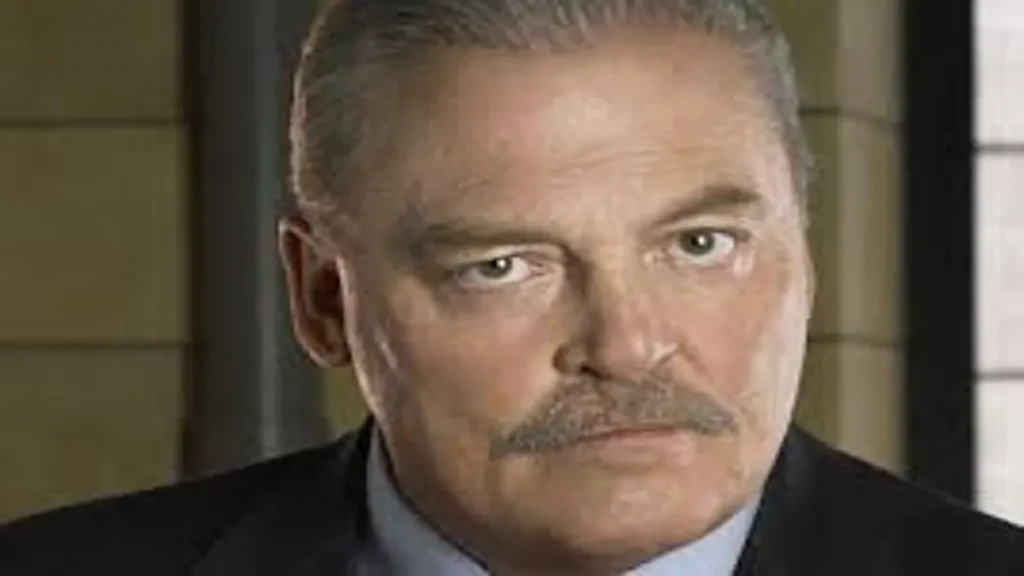
Stacy Keach’s career spans more than six decades, marked by an uncommon blend of classical training, emotional depth and a distinctive voice that became iconic across film, television and narration. Within the first hundred words: his life and work reflect a remarkable journey from Shakespearean theatre to 1970s cinematic realism to mainstream television fame, all shaped by early medical challenges and personal reinvention. Born in 1941 with a cleft lip and palate, Keach underwent multiple surgeries before becoming one of America’s most recognizable performers. His academic path—Berkeley, Yale, and the London Academy of Music and Dramatic Art—laid the foundation for a career rooted in discipline and craft. His performances in Fat City, Indians, Mike Hammer, Jesus of Nazareth, and later Titus revealed an actor capable of navigating darkness, comedy, and everything in between. Today, he stands as one of the few artists equally respected for stage mastery and voice-over authority. This long-form feature explores his origins, early struggles, defining breakthroughs, and the sustained commitment that turned him into a figure of artistic durability.
Early Foundations and Training
Stacy Keach—born Walter Stacy Keach Jr. in Savannah, Georgia—grew up in a household steeped in artistry, with a director-actor father and a mother who nurtured his academic curiosity. His childhood surgeries and the visibility of a cleft lip shaped a perspective he would later transform into advocacy. After graduating Van Nuys High School in 1959, Keach pursued English and Dramatic Art degrees at UC Berkeley. His studies at the Yale School of Drama yielded an MFA in 1966, followed by a Fulbright scholarship to the London Academy of Music and Dramatic Art. These milestones were not ornamental; they marked his emergence as a rigorously trained actor whose approach merged classical technique with emotional realism.
Breakthrough Years on Stage and Film
Keach entered the theatre world through Off-Broadway experimental works such as MacBird! (1966) and The Niggerlovers (1967). His 1969 performance in Indians, portraying Buffalo Bill, earned him a Tony nomination and cemented his presence on the New York stage. On film, his portrayal of Billy Tully in John Huston’s Fat City (1972) became a defining early role. He followed it with appearances in The New Centurions and The Life and Times of Judge Roy Bean, demonstrating an uncanny ability to inhabit flawed, textured characters. Keach’s stage work earned him Obie, Drama Desk, and Helen Hayes Awards, and his induction into the American Theatre Hall of Fame affirmed a reputation built on depth, not celebrity.
Table 1: Key Early Career Milestones
| Year | Project | Significance |
|---|---|---|
| 1966–1967 | Off-Broadway debuts | Signaled emergence in NYC theatre culture |
| 1969 | Indians | Tony nomination; major breakthrough |
| 1972 | Fat City | Praised performance, defined early film identity |
Television Fame and the Voice That Became Iconic
While theatre demonstrated Keach’s command of classical material, television amplified his reach. His portrayal of detective Mike Hammer in the 1980s made him a household name, and the role became a defining chapter of his screen persona. Later, as Ken Titus in the sitcom Titus, Keach showed an unexpected comedic range. Yet it was narration—particularly his long tenure on American Greed—that expanded his late-career influence. His voice carried a quality critics described as “weathered authority,” capable of transforming documentary sequences into narrative drama. This blend of on-camera intensity and vocal resonance gave Keach a distinctive presence in the broader entertainment landscape.
Table 2: Selected Television and Narration Highlights
| Years | Title | Role |
|---|---|---|
| 1984–1987 | Mickey Spillane’s Mike Hammer | Lead role |
| 2000–2002 | Titus | Ken Titus |
| 2007–present | American Greed | Narrator |
Personal Trials, Renewal and Advocacy
Keach’s path was not uninterrupted success. His 1984 arrest in London and subsequent imprisonment marked a painful but transformational period. During his six-month sentence, he reassessed the trajectory of his life and turned toward spiritual reflection, later meeting Pope John Paul II with his wife, Malgorzata Tomassi. His medical experiences as a child informed his involvement with the Cleft Palate Foundation, where he served as honorary chairman. These chapters reveal a pattern of adversity confronted directly—personal crises converted into renewal, discipline, and advocacy.
Expert Insight
“Keach’s longevity comes from embracing vulnerability rather than hiding it. His scars became part of his narrative, not obstacles to it.” — Paula Murphy, Acting Studies Scholar
“Few actors transition from stage to screen to narration with such ease. Keach shows how voice can become legacy.” — David Lynch, Media Analyst
Reinvention and Later-Career Evolution
Keach’s later career reflects a sustained commitment to reinvention. His portrayal of King Lear at Chicago’s Goodman Theatre became one of his most celebrated stage performances. Even after bypass surgery and recovery delays, he returned to complete a full run—symbolic of his refusal to let obstacles define him. He appeared in major films such as The Bourne Legacy and Nebraska, while continuing television appearances in Blue Bloods and The Blacklist. With L.A. Theatre Works, he expanded audio-drama formats, bridging traditional theatre with modern listening culture. His Hollywood Walk of Fame star and continued involvement in acting projects underscore a legacy built on adaptability as much as talent.
Craft, Method and Character Philosophy
Keach’s approach blends formal training with lived experience. He once reflected on Fat City editing choices with humility: a reminder of the actor’s relationship to control, ego, and trust. His craft relies on presence, vocal modulation, and psychological depth—attributes shaped as much by discipline as by adversity. His ability to move from Shakespearean verse to noir-inflected monologues to comedic timing reflects an actor who studies rhythm, breath, and silence with equal precision.
Thematic Currents Behind a Lifetime of Work
Three interwoven themes define Stacy Keach’s career:
Identity Through Craft
His work reflects constant evolution—classical actor, film lead, TV icon, narrator.
Adversity as Fuel
Medical and personal challenges became sources of empathy and nuance.
Longevity Through Reinvention
Shifting mediums—from theatre to TV to narration—allowed him to thrive across eras.
Takeaways
- Keach’s career blends classical discipline with mainstream recognition.
- His performances in Indians, Fat City, and Mike Hammer shaped distinct career phases.
- Personal challenges—medical and legal—fostered emotional depth in his roles.
- His iconic narration work expanded his influence into documentary storytelling.
- Reinvention—across stage, screen and audio—defines his late-career vitality.
- Advocacy for cleft palate communities reflects values grounded in personal experience.
- His legacy demonstrates that resilience, not fame, is the true measure of longevity.
Conclusion
Stacy Keach’s career stands as a testament to the power of persistence, craft and reinvention. From the disciplined foundations of classical theatre to the brooding realism of early 1970s cinema, from television notoriety to the unmistakable authority of his narration, Keach has sustained a presence defined by authenticity rather than spectacle. His personal trials shaped him as much as his artistic triumphs, and his continued evolution across new mediums underscores a creative life lived without complacency. As audiences rediscover his early performances and embrace his newer work, Keach’s legacy becomes clear: a rare, durable actor whose voice—literal and artistic—continues to resonate.
FAQs
1. What is Stacy Keach primarily known for?
He is widely recognized for Mike Hammer, Fat City, and extensive narration work.
2. What shaped his early career?
Formal training, Off-Broadway work, and a breakthrough Broadway performance in Indians.
3. What personal challenges has he faced?
A cleft lip/palate from birth, multiple surgeries, and a 1984 imprisonment that shaped later advocacy.
4. What defines his later-career work?
Notable narration roles, renewed Shakespearean performances, and appearances in major films and TV shows.
5. Has he received major honors?
Multiple theatre awards, a Golden Globe, and induction into the American Theatre Hall of Fame.
References
- IMDB. (n.d.). Stacy Keach biography. Retrieved from https://www.imdb.com/name/nm0005078/bio/ IMDb
- Keach, S. (n.d.). Bio – Stacy Keach. Retrieved from https://www.gostacykeach.com/bio Stacy Keach Knight, J. (2015, November 20). Stacy Keach reflects on working with John Huston and getting knocked out in Fat City. The Film Stage. Retrieved from https://thefilmstage.com/stacy-keach-reflects-on-working-with-john-huston-and-getting-knocked-out-in-fat-city/ thefilmstage.com Nicholson, A. (2019, July 31). Stacy Keach on Shakespeare, stardom and his Walk of Fame honor. Variety. (Retrieved via Wikipedia summary) Wikipedia Phoenix, J. (2009, January 22). Interview: Stacy Keach — Sympathy for the Devil. The Boston Phoenix. Retrieved from https://thephoenix.com/Boston/Arts/75553-Interview-Stacy-Keach/ thephoenix.com TV Guide. (n.d.). Stacy Keach biography, celebrity facts and awards. Retrieved from https://www.tvguide.com/celebrities/stacy-keach/bio/3030390786/ tvguide.com Yale School of Drama profile. (n.d.). Stacy Keach. Goodman Theatre. Retrieved from https://www.goodmantheatre.org/artists/stacy-keach/