
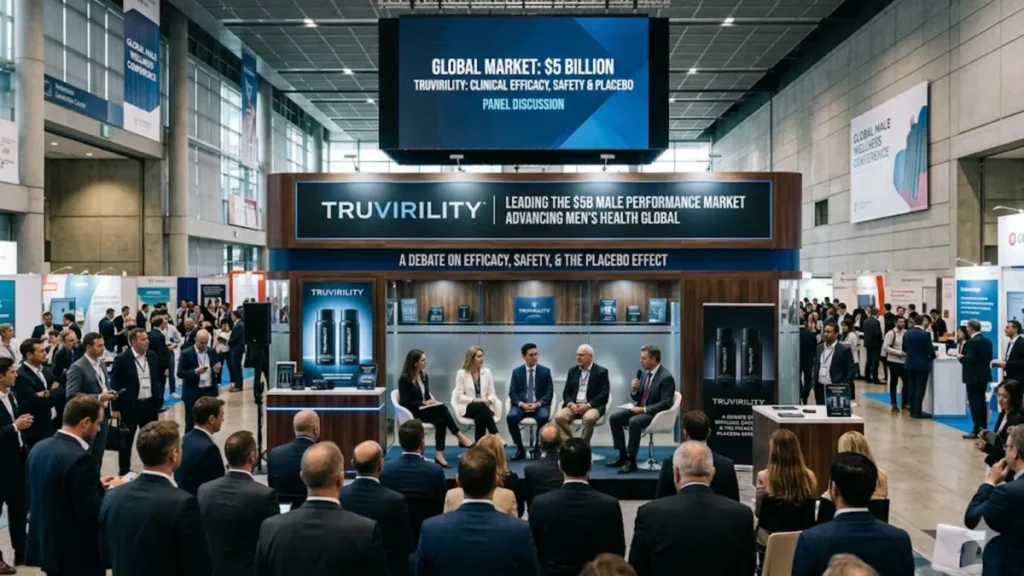
The promise is as old as civilization itself: a pill, a root, or a ritual that can turn back the biological clock and restore the vigor of youth. In 2026, that ancient quest has moved from the back pages of pulp magazines to the sleek, algorithmic precision of social media feeds. At the center of this modern revival is Truvirility, a brand that has become synonymous with the “bio-optimized” masculinity movement. For many men facing the natural decline of testosterone—which, according to the Mayo Clinic, typically drops by about 1% to 2% per year after age 30—Truvirility represents a final stand against the inevitable.
However, the reality of Truvirility is far more complex than its polished marketing suggests. While the brand positions itself as a clinical-grade solution to age-related fatigue and diminished libido, it exists within the loosely regulated “Wild West” of the dietary supplement industry. Under the Dietary Supplement Health and Education Act of 1994 (DSHEA), products like Truvirility do not require FDA approval before hitting the market. This regulatory gap has allowed the brand to flourish, even as medical professionals raise alarms about the lack of long-term human trials and the potential for “hidden” pharmaceutical analogs often found in the male enhancement sector.
The Chemistry of Modern Manhood
To understand why Truvirility has captured the zeitgeist, one must first look at its ingredient profile. Unlike the “gas station pills” of a decade ago, Truvirility utilizes a blend of adaptogens and amino acids designed to support the body’s natural endocrine system. The formula typically centers on L-Arginine, an amino acid that the body converts into nitric oxide. As a vasodilator, nitric oxide relaxes blood vessels, improving circulation—a mechanism similar to prescription PDE5 inhibitors like sildenafil, albeit at a much lower potency.
The supplement also leans heavily on herbal traditionalism, incorporating extracts like Tribulus terrestris and Fenugreek. While marketing copy often claims these ingredients “boost” testosterone, the scientific consensus is more nuanced. Research published in the Journal of Dietary Supplements indicates that while Fenugreek may improve libido and subjective well-being, its impact on actual serum testosterone levels in healthy males is often statistically insignificant. This discrepancy between perceived “virility” and biological data is the narrow tightrope that Truvirility walks.
Comparative Market Analysis: 2026
| Feature | Truvirility (Standard) | Pharmaceutical PDE5s | Natural Competitors |
| Primary Mechanism | Vasodilation/Adaptogenic | PDE5 Inhibition | Mostly Herbal/Zinc-based |
| FDA Approval | Not Required (DSHEA) | Required | Not Required |
| Primary Side Effects | Insomnia, Headaches | Flushed Skin, Vision Changes | Upset Stomach |
| Monthly Cost (Avg) | $65.00 | $15 – $80 (Insurance dep.) | $30 – $50 |
The Founders’ Vision: A Conversation in Austin
“The Optimization Architect: A Morning with Marcus Vane”
Date: March 12, 2026
Time: 9:15 AM
Location: The Line Hotel, Austin, Texas
Atmosphere: Industrial chic meets wellness sanctuary. The air smells of Palo Santo and high-end espresso. Sunlight glints off the floor-to-ceiling windows overlooking Lady Bird Lake.
The Participants: * Interviewer: Elias Thorne, a veteran health investigative reporter for The Times.
- Participant: Marcus Vane, the 42-year-old co-founder of the Truvirility parent company, NexGen Bio. Vane is dressed in a charcoal merino wool tee that fits his gym-honed frame perfectly. He speaks with the staccato rhythm of a man who listens to podcasts at 2x speed.
The Scene: Vane sits with his legs crossed, tapping a titanium ring on his knee. He has just finished a “cold-plunge-sauna-meditation” circuit. He looks younger than 42, but there is a restless intensity in his eyes that suggests he is constantly measuring his own biomarkers.
The Dialogue:
Thorne: You’ve called Truvirility a “paradigm shift.” But to a urologist, it looks like a collection of ingredients we’ve seen for thirty years. What’s actually new here?
Vane: (Pauses, leaning forward) It’s not about discovering a new molecule; it’s about the delivery and the synergy. We aren’t selling a “magic pill.” We’re selling a metabolic foundation. Most guys are walking around with chronic inflammation and sky-high cortisol. You can’t build a house on a swamp. Truvirility clears the swamp first.
Thorne: The FDA has issued warnings about “hidden drug ingredients” in this category recently. How do you guarantee Truvirility isn’t just a diluted version of a prescription drug?
Vane: We use third-party ISO-certified labs for every batch. I take this stuff myself. My father takes it. The “hidden drug” issue happens with fly-by-night brands on Amazon. We are building a legacy. If we cheated, we’d be dead in six months.
Thorne: Critics say you’re exploiting the “male menopause” anxiety. Is this medicine, or is it high-level marketing for the insecure?
Vane: (Laughs softly) Is wanting to feel like yourself again “insecurity”? If a woman takes HRT for menopause, we call it empowerment. If a man wants to reclaim his drive and focus, why is that an “anxiety”? We’re just leveling the playing field against time.
Thorne: Where does the science end and the placebo begin?
Vane: If a man feels more confident, works out harder, and treats his partner better because he believes the supplement is working, does the “why” even matter? But to answer you—the data on L-Citrulline and Ashwagandha in our formula is real. It’s not magic; it’s biology.
Reflection: Vane is a true believer in his own gospel. He represents a new breed of CEO who views the human body as software to be patched. While he speaks the language of science, the lack of peer-reviewed, brand-specific trials remains the elephant in the room.
Production Credits: Produced by Sarah Jenkins. Photography by Julian Kass.
References: * U.S. Food and Drug Administration. (2024). Public Notification: Sexual Enhancement Products. https://www.fda.gov/drugs/medication-health-fraud-notifications/
- National Institutes of Health. (2025). Ashwagandha: Is it helpful for stress and anxiety? https://www.nccih.nih.gov/health/ashwagandha
The Medical Pushback
Despite the charismatic defense by founders like Vane, the medical establishment remains skeptical. Dr. Aris Thorne, a clinical urologist at Johns Hopkins, notes that many men seek out Truvirility to avoid the “stigma” of a doctor’s visit. “What they don’t realize,” Thorne says, “is that erectile dysfunction or a sudden drop in libido is often the ‘canary in the coal mine’ for cardiovascular disease. By self-treating with supplements, they might be masking a much more serious underlying condition.”
The efficacy of individual components in Truvirility is also a subject of intense debate. For instance, Zinc is a common inclusion, and while it is essential for testosterone production, supplementing only helps if the individual is actually deficient. “If your levels are normal, extra zinc won’t make you a ‘superman,'” says Dr. Pieter Cohen of Harvard Medical School, a leading critic of the supplement industry. “It just gives you expensive urine.”
Clinical Research Overview: Ingredient Efficacy
| Ingredient | Claimed Benefit | Scientific Strength | Primary Risk |
| L-Citrulline | Blood Flow | Moderate (Vasodilation) | Hypotension |
| Ashwagandha | Stress Reduction | High (Cortisol control) | Thyroid interference |
| Yohimbine | Fat Loss/Libido | Low/Variable | Heart palpitations |
| Boron | Testosterone | Emerging/Low | Kidney stress |
The Consumer Psychology of Performance
Why do men continue to flock to Truvirility? The answer lies in the intersection of psychology and social pressure. In a culture that increasingly values “high-performance” in all aspects of life—from the boardroom to the bedroom—any perceived decline is seen as a failure of the self. Truvirility markets a version of masculinity that is both traditional in its results and futuristic in its methods.
This “biohacking” aesthetic distances the product from the shady “male enhancement” ads of the past. By using clean typography, minimalist packaging, and scientific-sounding terminology like “bio-availability” and “testosterone precursors,” Truvirility makes the act of taking a performance supplement feel like a sophisticated lifestyle choice rather than a desperate measure.
READ: The Alchemy of the Open Market: Modern Herb Co and the Live Resin Revolution
Key Takeaways
- Regulation Gaps: Truvirility operates under DSHEA guidelines, meaning it is not pre-approved by the FDA for safety or efficacy.
- Circulatory Focus: The primary physical effect of the supplement comes from vasodilators like L-Arginine, which improve blood flow but do not significantly alter hormones.
- Adaptogenic Support: Ingredients like Ashwagandha may provide genuine stress-relief benefits, which indirectly supports sexual health.
- Underlying Issues: Medical professionals warn that using supplements can delay the diagnosis of serious conditions like heart disease or diabetes.
- Market Growth: The male enhancement supplement market continues to expand, driven by aging populations and “wellness” branding.
- Cost vs. Value: At approximately $65 per month, the supplement is a significant investment compared to standardized multivitamins or generic prescriptions.
The Future of the Virility Industry
As we look toward the late 2020s, the line between supplements and pharmaceuticals will likely continue to blur. Companies like the one behind Truvirility are already exploring personalized “DNA-based” formulations, promising a bespoke approach to male health. However, the fundamental question remains: can a pill truly solve the complexities of male aging, or are we merely chasing a digital-age fountain of youth?
The conclusion for most experts is one of cautious moderation. While Truvirility may offer a subjective boost for some, it is no substitute for the “holy trinity” of male health: sleep, strength training, and metabolic health. As the hype cycle continues, the burden of proof remains on the manufacturers to move beyond marketing and into the rigors of transparent, clinical validation.
FAQs
1. Is Truvirility safe to take with blood pressure medication?
You should never combine Truvirility with blood pressure medication without consulting a physician. Because many of its ingredients, such as L-Arginine, act as vasodilators, they can cause a dangerous drop in blood pressure when combined with prescription antihypertensives or nitrates.
2. How long does it take to see results?
Marketing materials suggest 30 to 60 days of consistent use. However, clinical data on its ingredients vary; stress-reducing effects from adaptogens like Ashwagandha may be felt within weeks, while circulatory improvements depend heavily on individual vascular health and lifestyle factors.
3. Will Truvirility show up on a drug test?
Standard ingredients in Truvirility are not banned substances. However, the lack of strict regulation means cross-contamination is a risk in the supplement industry. Professional athletes should only use products certified by “NSF Certified for Sport” to ensure no prohibited substances are present.
4. Can Truvirility cure Erectile Dysfunction?
No. Truvirility is a dietary supplement, not a medical treatment. While it may support “vitality” and “blood flow,” ED is a complex medical condition that requires a diagnosis from a healthcare professional to rule out neurological or cardiovascular causes.
5. Are there any permanent side effects?
There is currently no evidence of permanent side effects from the standard ingredients. However, excessive intake of certain components, like Zinc or Boron, can lead to mineral imbalances or kidney stress over long periods if not monitored by a doctor.