

Urban legends have fascinated me for years because they reveal something deeper than simple storytelling. They show how communities process fear, morality, mystery, and uncertainty through narrative. Whenever I examine urban legends, I see patterns of belief, anxiety, and imagination woven together in ways that feel both fictional and strangely believable. These stories circulate through word of mouth, social media, late night conversations, and sometimes even mainstream news, gaining credibility simply through repetition.
In this detailed exploration, I will unpack what urban legends are, how they spread, why people believe them, and what they reveal about culture. I will examine psychological triggers, social impact, digital amplification, and even how urban legends adapt to modern technology. This is not just about spooky tales. It is about understanding how stories shape perception, behavior, and identity across generations.
What Are Urban Legends?
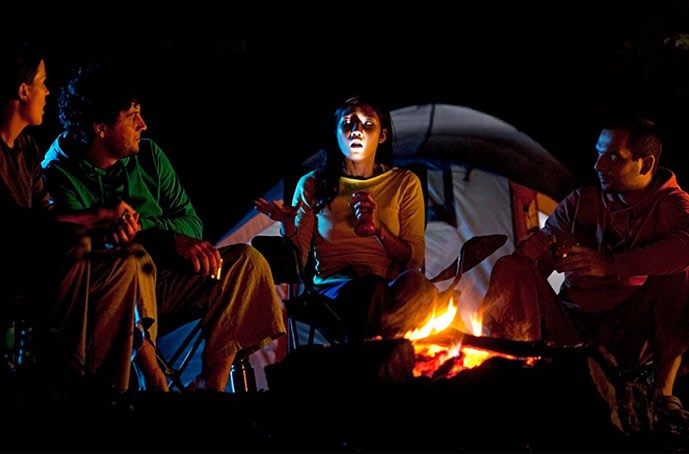


Urban legends are contemporary folklore stories presented as true, even though they lack verified evidence. They often begin with a phrase such as “This happened to a friend of a friend,” which gives them an illusion of authenticity. Unlike fairy tales, they are not openly fictional. Unlike news reports, they are not confirmed.
What makes urban legends powerful is plausibility. They are just believable enough to spread. The settings are usually familiar: schools, highways, shopping malls, hospitals, or neighborhoods. This proximity to everyday life creates emotional resonance. When a story feels like it could happen nearby, people pay attention.
Urban legends frequently include cautionary elements. They warn against unsafe behavior, stranger danger, technological misuse, or moral failure. Whether consciously or not, these stories often function as social lessons disguised as entertainment.
Historical Roots of Urban Legends

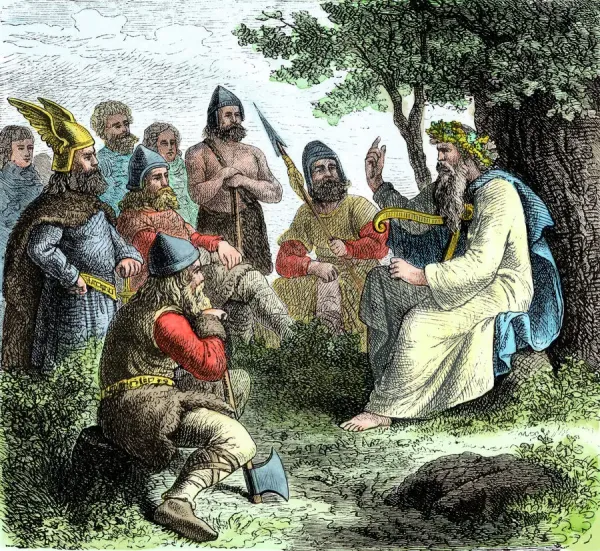

Although the term urban legend sounds modern, the phenomenon is ancient. Societies have always shared cautionary stories that blur the line between fact and fiction. In earlier centuries, legends revolved around supernatural creatures, cursed locations, and moral warnings about disobedience.
As cities expanded and communication accelerated, folklore adapted. Rural myths evolved into urban legends. Instead of haunted forests, stories featured abandoned buildings. Instead of mythical beasts, narratives introduced criminals, mysterious strangers, or unexplained events.
The core mechanism remained the same. Communities passed stories orally. Details shifted with each retelling. The emotional core, however, stayed intact. This adaptability explains why urban legends persist even in technologically advanced societies.
Psychological Reasons People Believe Urban Legends


I have observed that belief in urban legends is rarely about intelligence. It is about psychology. Humans are wired to respond strongly to emotionally charged information, especially fear and surprise. Stories that trigger anxiety stick in memory longer than neutral information.
Urban legends often exploit cognitive biases. One common bias is availability heuristic. If a story feels vivid, people assume it is common. Another bias is confirmation bias. If a legend aligns with existing fears or suspicions, individuals are more likely to accept it as true.
There is also a social component. Sharing dramatic stories strengthens group bonds. The act of retelling becomes a communal ritual. Even when listeners doubt the details, they enjoy the emotional experience of suspense and collective reaction.
Common Themes Found in Urban Legends


Urban legends often fall into recurring thematic categories. Fear of strangers, technological anxiety, revenge narratives, and supernatural encounters are among the most frequent themes. Many legends involve hidden danger lurking in ordinary environments.
Another recurring theme is moral consequence. Stories frequently punish reckless behavior. Teenagers ignoring warnings encounter tragedy. Greed leads to unexpected disaster. These narratives reinforce social norms without overt preaching.
Some legends focus on unexplained phenomena. These stories blur scientific boundaries and leave space for speculation. Ambiguity enhances their staying power because unresolved endings invite retelling.
Comparison of Traditional Folklore and Modern Urban Legends
| Element | Traditional Folklore | Urban Legends |
|---|---|---|
| Setting | Rural, mythical | Urban, contemporary |
| Characters | Heroes, spirits | Ordinary people |
| Transmission | Oral tradition | Oral and digital |
| Purpose | Cultural teaching | Warning, entertainment |
| Flexibility | Slow evolution | Rapid adaptation |
This comparison shows how urban legends represent a modern continuation of older storytelling traditions while adapting to new environments.
The Role of Media in Spreading Urban Legends


In earlier eras, urban legends spread slowly. Today, digital platforms amplify them instantly. Social media, messaging apps, and video platforms allow stories to circulate globally within minutes. The speed of distribution often outpaces verification.
I have noticed that repetition across platforms creates perceived legitimacy. When the same story appears in multiple feeds, users assume credibility. Visual content adds further persuasion. Even staged images or edited clips can reinforce belief.
Traditional media sometimes unintentionally amplifies legends by reporting on them without clear context. Sensational framing increases engagement but may blur lines between investigation and endorsement.
Digital Age Urban Legends


Modern urban legends increasingly revolve around technology. Stories about haunted apps, cursed videos, mysterious online challenges, and hidden internet communities circulate widely. These narratives reflect contemporary anxieties about digital environments.
Unlike older legends tied to physical locations, digital legends transcend geography. A rumor started in one country can influence behavior worldwide within hours. This global reach magnifies both entertainment value and potential harm.
Digital anonymity also encourages fabrication. Without accountability, creators can invent elaborate stories designed to provoke emotional reaction. Once shared widely, separating fiction from fact becomes challenging.
Social Impact of Urban Legends



Urban legends can shape behavior. Some encourage caution, which may reduce risky actions. Others generate unnecessary panic or distrust. When fear driven narratives spread unchecked, they can damage reputations and communities.
In extreme cases, legends have led to boycotts, harassment, or misplaced blame. This highlights the responsibility of critical thinking. Not all legends are harmless entertainment. Some carry real consequences.
At the same time, urban legends provide insight into collective concerns. They act as cultural mirrors, revealing what societies fear most at a given moment.
Why Urban Legends Persist Across Generations



Urban legends endure because they adapt. Each generation reshapes stories to reflect current realities. The core structure remains recognizable, but details evolve.
Persistence also comes from emotional engagement. A story that triggers curiosity, fear, or moral reflection is more likely to survive retelling. When a narrative aligns with widespread anxiety, it gains momentum.
Additionally, ambiguity keeps legends alive. Lack of closure invites speculation, debate, and reinterpretation.
Table of Common Urban Legend Categories
| Category | Description | Emotional Trigger |
|---|---|---|
| Supernatural | Ghosts, curses, unexplained events | Fear, mystery |
| Crime | Hidden threats, kidnappings | Anxiety, caution |
| Technology | Digital dangers, viral myths | Uncertainty |
| Revenge | Justice delivered unexpectedly | Satisfaction |
| Moral Warning | Consequences of risky actions | Responsibility |
This table shows how emotional triggers drive the appeal and longevity of urban legends.
Distinguishing Urban Legends from Rumors


While urban legends and rumors overlap, they differ in structure. Rumors focus on current events and often dissipate quickly. Urban legends possess narrative arcs with characters, tension, and resolution.
Legends also emphasize storytelling elements that make them memorable. Rumors may evolve into legends if they gain narrative depth and symbolic meaning.
Understanding this distinction helps identify why some stories fade while others become cultural fixtures.
Urban Legends as Cultural Reflection


When I examine urban legends closely, I see reflections of societal tension. Economic instability, technological shifts, public health fears, and moral debates often appear encoded in these narratives.
Urban legends do not emerge randomly. They respond to collective uncertainty. They transform abstract fear into concrete storytelling.
By analyzing them thoughtfully, we gain insight into cultural psychology and shared experience.
Takeaways
- Urban legends are modern folklore presented as true
- Emotional triggers drive belief and sharing
- Digital platforms accelerate spread
- Themes often reflect societal anxieties
- Critical thinking reduces harmful impact
- Legends adapt across generations
Conclusion
Urban legends remain powerful because they combine plausibility with emotional intensity. They entertain, warn, and reflect cultural concerns simultaneously. I view them not merely as fictional tales but as social phenomena that reveal how communities process uncertainty.
In a world saturated with information, the line between story and fact can blur easily. Understanding urban legends equips us to navigate narratives responsibly. Rather than dismissing them entirely or accepting them blindly, we can analyze their structure, purpose, and impact.
Ultimately, urban legends tell us as much about ourselves as they do about the events they describe.
Read: DMAC Solutions: Services, Strategy, and Modern Business Impact
FAQs
What defines an urban legend?
An urban legend is a widely shared contemporary story presented as true but lacking verified evidence.
Why do people share urban legends?
They trigger emotional responses and strengthen social bonds through storytelling.
Are urban legends always false?
Most lack verification, though some may originate from real events exaggerated over time.
How do social media platforms affect urban legends?
They accelerate spread and amplify perceived credibility through repetition.
Can urban legends cause harm?
Yes, especially when they generate panic, misinformation, or unjust accusations.