
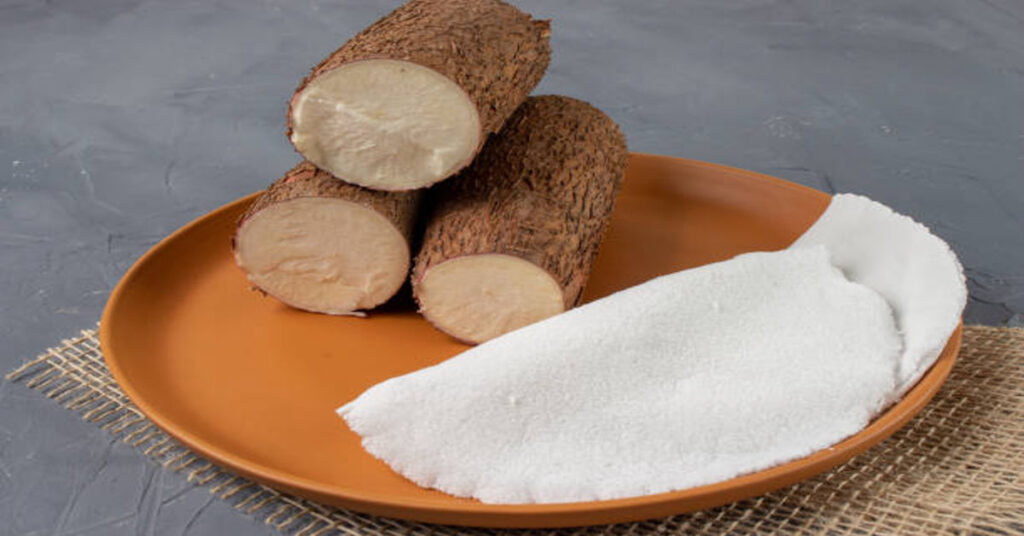
Yuca, also known as cassava, manioc, or balinghoy, is a starchy root vegetable widely cultivated in tropical and subtropical regions of the world. It has been a dietary staple for centuries in countries across Africa, Latin America, and Southeast Asia due to its resilience in poor soil conditions and high carbohydrate content. Yuca is known for its versatility in culinary applications, ranging from savory dishes to sweet desserts, and it has also gained attention for its nutritional profile and potential health benefits.
Botanical Background and Cultivation
Yuca (Manihot esculenta) belongs to the Euphorbiaceae family. It is a perennial shrub that can grow up to 3 meters tall, although its edible root is the primary focus of cultivation. The plant thrives in tropical climates, tolerates drought well, and requires minimal maintenance compared to other root crops. Yuca grows in a variety of soil types but performs best in well-drained, sandy loam soils with adequate sunlight. The roots can be harvested between 6 months to 3 years after planting, depending on the variety and intended use.
Yuca is propagated primarily through stem cuttings rather than seeds, which ensures consistency in root quality and characteristics. Farmers often select high-starch varieties for industrial uses and lower-starch varieties for fresh consumption. The plant also plays an important ecological role by preventing soil erosion due to its dense root system.
Nutritional Profile of Yuca
Yuca is primarily valued for its high carbohydrate content, making it an excellent energy source. However, it also provides a variety of vitamins, minerals, and dietary fiber. Below is a detailed table of its approximate nutritional composition per 100 grams of raw yuca:
| Nutrient | Amount per 100g | Daily Value (%) |
|---|---|---|
| Calories | 160 kcal | 8% |
| Carbohydrates | 38 g | 13% |
| Protein | 1.4 g | 3% |
| Fat | 0.3 g | 0% |
| Dietary Fiber | 1.8 g | 7% |
| Vitamin C | 20.6 mg | 34% |
| Folate (B9) | 27 µg | 7% |
| Calcium | 16 mg | 2% |
| Iron | 0.3 mg | 2% |
| Potassium | 271 mg | 8% |
| Magnesium | 21 mg | 5% |
This table highlights that yuca is a rich source of energy and provides essential micronutrients, especially vitamin C and potassium, which contribute to immune support and cardiovascular health. Despite its modest protein content, combining yuca with legumes or meat can help create a balanced meal.
Health Benefits of Yuca
1. Energy Boosting Root
Yuca’s high carbohydrate content makes it an excellent source of energy, especially for athletes and individuals engaged in physically demanding activities. Unlike refined sugars, the carbohydrates in yuca are released gradually, providing sustained energy throughout the day.
2. Supports Digestive Health
Yuca contains dietary fiber, which aids in digestion and helps prevent constipation. The fiber content also promotes gut health by serving as a prebiotic, encouraging the growth of beneficial gut bacteria.
3. Rich in Antioxidants
Yuca contains natural antioxidants, such as vitamin C and phenolic compounds, which help neutralize harmful free radicals in the body. This activity may reduce inflammation and protect cells from oxidative stress-related damage.
4. Gluten-Free Alternative
For individuals with celiac disease or gluten intolerance, yuca provides a natural, gluten-free source of carbohydrates. Yuca flour can be used in baking and cooking as a substitute for wheat flour.
5. Potential Blood Pressure Regulation
The potassium content in yuca may aid in maintaining healthy blood pressure levels. Potassium helps balance sodium in the body, which is crucial for proper cardiovascular function.
6. Supports Bone Health
While yuca is not a significant source of calcium, it contains magnesium and phosphorus, which are essential for bone development and maintenance. Consuming yuca as part of a balanced diet can contribute to overall skeletal health.
Culinary Uses of Yuca
Yuca is incredibly versatile in cooking. Its mild flavor and starchy texture allow it to be prepared in numerous ways. Here are some common culinary uses:
- Boiled or Steamed Yuca: The simplest method involves peeling and boiling the root until tender. Boiled yuca can be served as a side dish or mashed like potatoes.
- Fried Yuca: Yuca fries, also called “cassava fries,” are a popular alternative to potato fries. They can be deep-fried or baked for a healthier version.
- Yuca Flour: Made by grinding dried yuca roots, this gluten-free flour is used in baking bread, cakes, and cookies.
- Tapioca: Processed yuca can be turned into tapioca pearls, widely used in puddings, bubble teas, and desserts.
- Soups and Stews: Yuca adds a hearty texture to soups and stews, absorbing flavors while providing a starchy consistency.
- Fermented Products: In some cultures, yuca is fermented to produce alcoholic beverages or traditional dishes like “cassava beer.”
Types of Yuca
There are two main types of yuca, each with unique characteristics:
| Type | Characteristics | Best Use |
|---|---|---|
| Sweet Yuca | Low cyanide content, softer texture | Boiling, frying, baking |
| Bitter Yuca | High cyanide content, harder texture | Processing, industrial use |
It is important to note that bitter yuca contains natural cyanogenic compounds and must be processed properly (soaked, boiled, or fermented) to make it safe for consumption. Sweet yuca can generally be cooked and eaten directly.
Potential Risks and Precautions
While yuca is nutritious, there are some risks to consider:
- Cyanide Toxicity: Bitter yuca contains cyanogenic glycosides, which can release cyanide if not properly processed. Chronic consumption of improperly prepared yuca may lead to cyanide poisoning, which can be severe.
- High Glycemic Index: Due to its high starch content, yuca can raise blood sugar levels rapidly. Individuals with diabetes should consume it in moderation and pair it with fiber or protein.
- Allergic Reactions: Although rare, some people may have allergic reactions to yuca, including skin rashes or digestive upset.
Proper preparation, such as boiling, soaking, fermenting, or frying, generally eliminates most of these risks.
Storage and Preservation
Yuca has a relatively short shelf life once harvested. Fresh roots should ideally be consumed within 1–2 weeks. To extend shelf life, yuca can be peeled, cut, and frozen. Dried yuca flour or tapioca pearls can be stored for months in airtight containers in a cool, dry place. Proper storage helps retain nutritional value and prevents spoilage or mold growth.
Yuca in Global Cuisine
Yuca is a staple in various traditional cuisines around the world:
- Latin America: Countries like Brazil, Colombia, and Venezuela use yuca in dishes such as “cassava bread,” “pão de queijo,” and fried yuca.
- Africa: In Nigeria, Ghana, and the Democratic Republic of Congo, yuca is used to prepare fufu, a thick starchy paste served with soups or stews.
- Southeast Asia: In the Philippines and Indonesia, yuca is used in desserts, snacks, and as a boiled side dish.
Its adaptability and neutral flavor make yuca an integral component of both everyday meals and festive dishes.
Table: Comparative Nutritional Values of Common Starchy Roots
| Root Vegetable | Calories (per 100g) | Carbohydrates (g) | Fiber (g) | Vitamin C (mg) |
|---|---|---|---|---|
| Yuca | 160 | 38 | 1.8 | 20.6 |
| Potato | 77 | 17 | 2.2 | 19.7 |
| Sweet Potato | 86 | 20 | 3.0 | 2.4 |
| Taro | 112 | 26 | 4.1 | 4.5 |
This comparison highlights yuca as a higher-calorie, higher-carb option suitable for energy-rich diets.
FAQs
1. Is yuca the same as cassava?
Yes, yuca and cassava refer to the same root vegetable. “Yuca” is commonly used in Latin America, while “cassava” is used internationally.
2. Can yuca be eaten raw?
Sweet yuca can be eaten raw in small amounts, but bitter yuca must be cooked or processed to remove toxic compounds.
3. Is yuca gluten-free?
Yes, yuca is naturally gluten-free and can be used as a substitute for wheat flour in baking and cooking.
4. How should yuca be stored?
Fresh yuca should be stored in a cool, dry place and consumed within 1–2 weeks. Yuca flour or dried products can last for months in airtight containers.
5. Does yuca help with weight gain?
Due to its high carbohydrate and calorie content, yuca can contribute to weight gain when consumed as part of a calorie-rich diet.
Yuca is a highly versatile and nutritious root that has sustained millions of people worldwide for centuries. From its rich carbohydrate content to its immune-boosting vitamins and minerals, it offers both dietary and culinary value. While certain precautions are necessary for safe consumption, especially for bitter varieties, yuca remains a global staple with vast potential in health-conscious, gluten-free, and energy-rich diets. Incorporating yuca into meals can diversify nutrition while honoring culinary traditions across cultures.